Why We Celebrate Hanukkah for 8 Days Around the World
Every December, Jewish homes across the globe fill with the warm glow of candlelight — one on the first night, two on the next, until eight lights shine bright against the winter dark. But have you ever wondered why we celebrate Hanukkah for 8 days?
It’s a question that reaches far beyond ancient history or religious ritual. The answer lies in a story of faith, defiance, and enduring light — a moment when hope refused to fade, even when it should have burned out.
Hanukkah’s eight days commemorate more than just a miracle of oil. They reflect centuries of Jewish resilience, cultural identity, and the universal belief that light can rise from the shadows. Whether you’re celebrating in Jerusalem, New York, or Toronto, each flicker of the menorah connects us to that same timeless miracle.
Before we light the first candle, let’s dive into the real story — the origins, meaning, and modern reflections behind why we celebrate Hanukkah for 8 days.
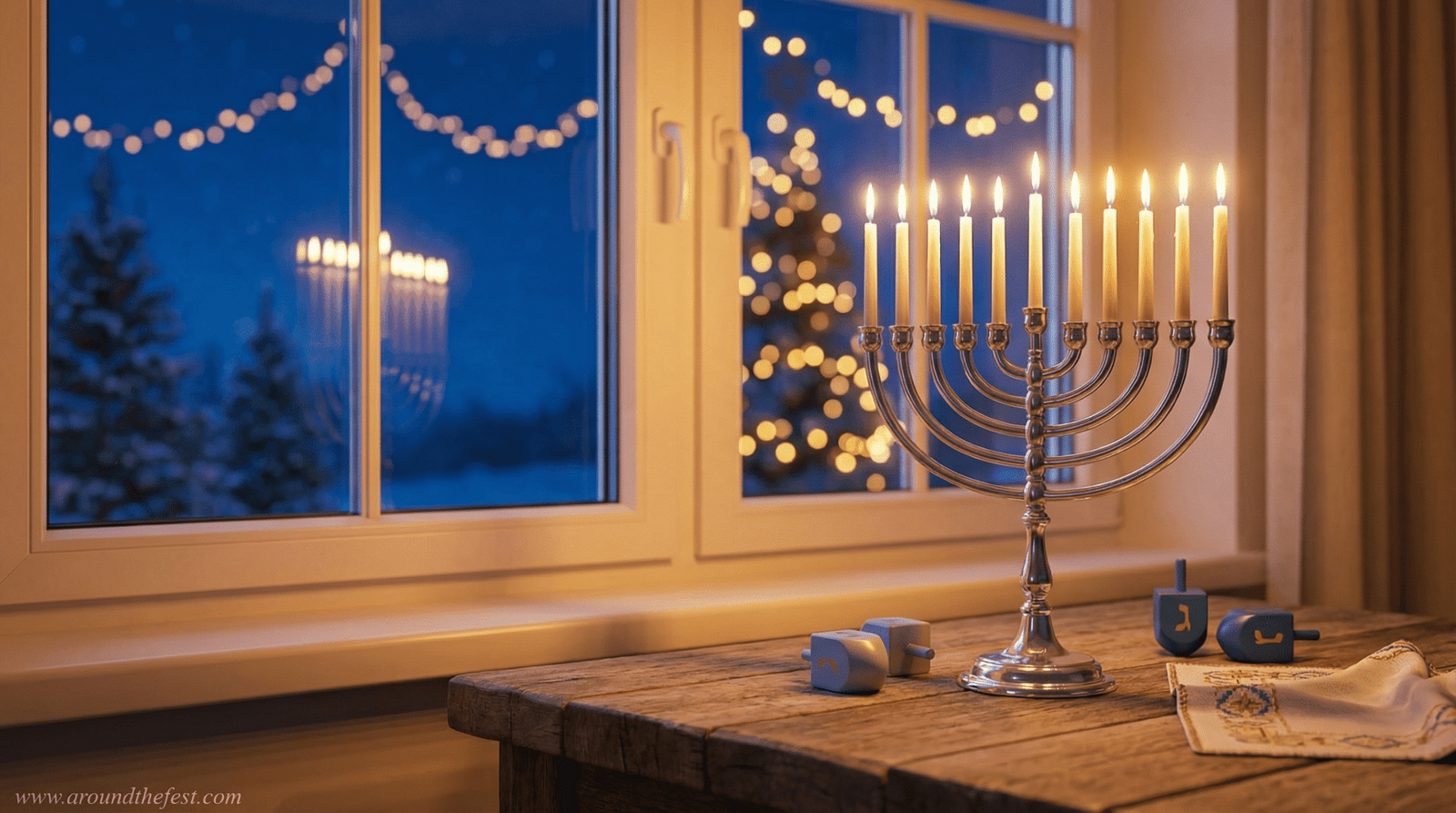
Eight Nights of Light — Why We Celebrate Hanukkah for 8 Days
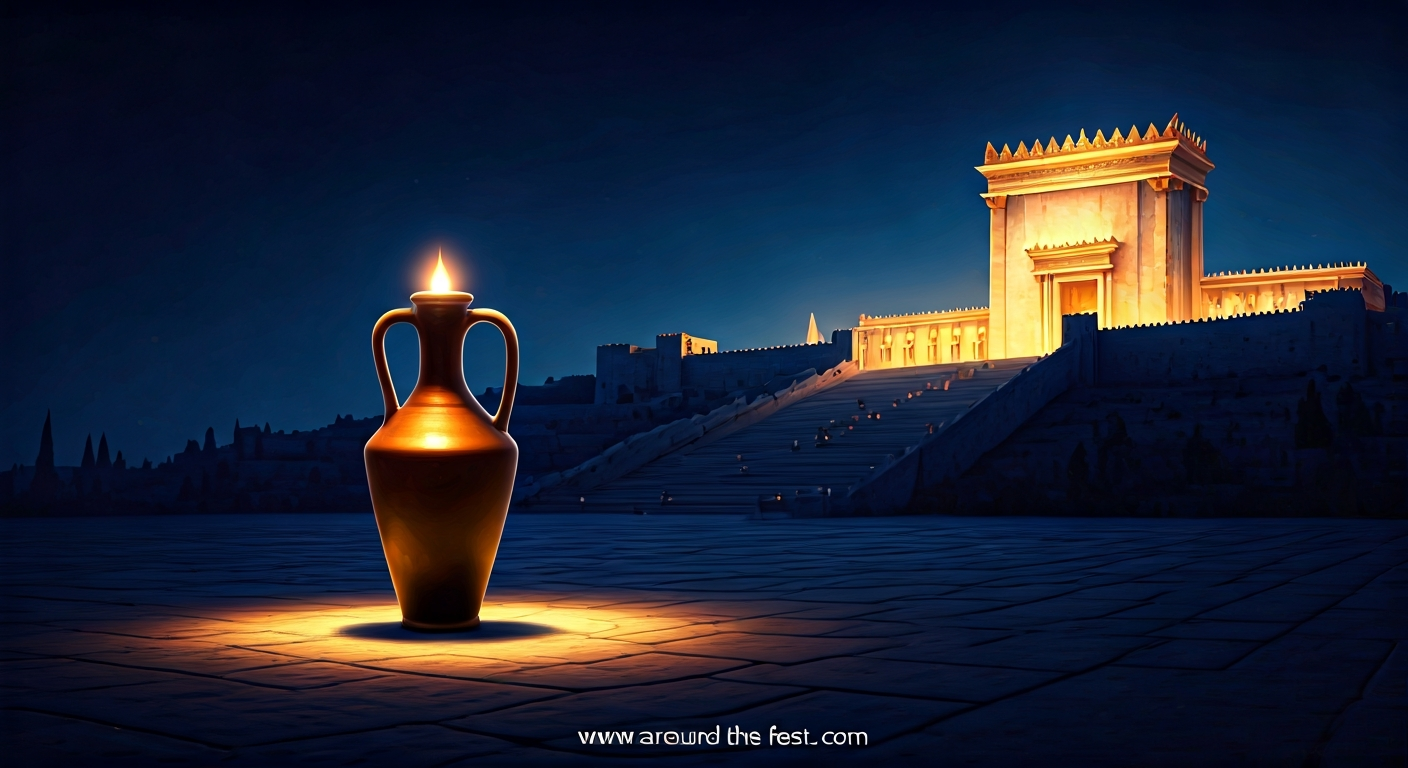
Hanukkah, often called the Festival of Lights, marks one of the most meaningful moments in Jewish history — the rededication of the Second Temple in Jerusalem after the Maccabean Revolt in 164 BCE.
The word Hanukkah means “dedication.” When the Maccabees — a small group of Jewish freedom fighters — reclaimed their defiled temple from the Seleucid Greeks, they sought to rekindle its sacred light. But there was a problem: only one small vial of pure olive oil remained, enough to last for just a single night.
Yet in an extraordinary twist of fate — or faith — that little jar of oil burned for eight full days. It was just enough time to prepare a new batch of consecrated oil.
That miracle became the foundation of Hanukkah. Every year since, Jewish families light candles for eight nights to honor that enduring flame.
But the deeper truth behind why we celebrate Hanukkah for 8 days goes beyond oil and fire. It’s a reflection of perseverance, community, and the belief that divine light can survive even the darkest times.
What Is the Story Behind the 8 Days of Hanukkah?
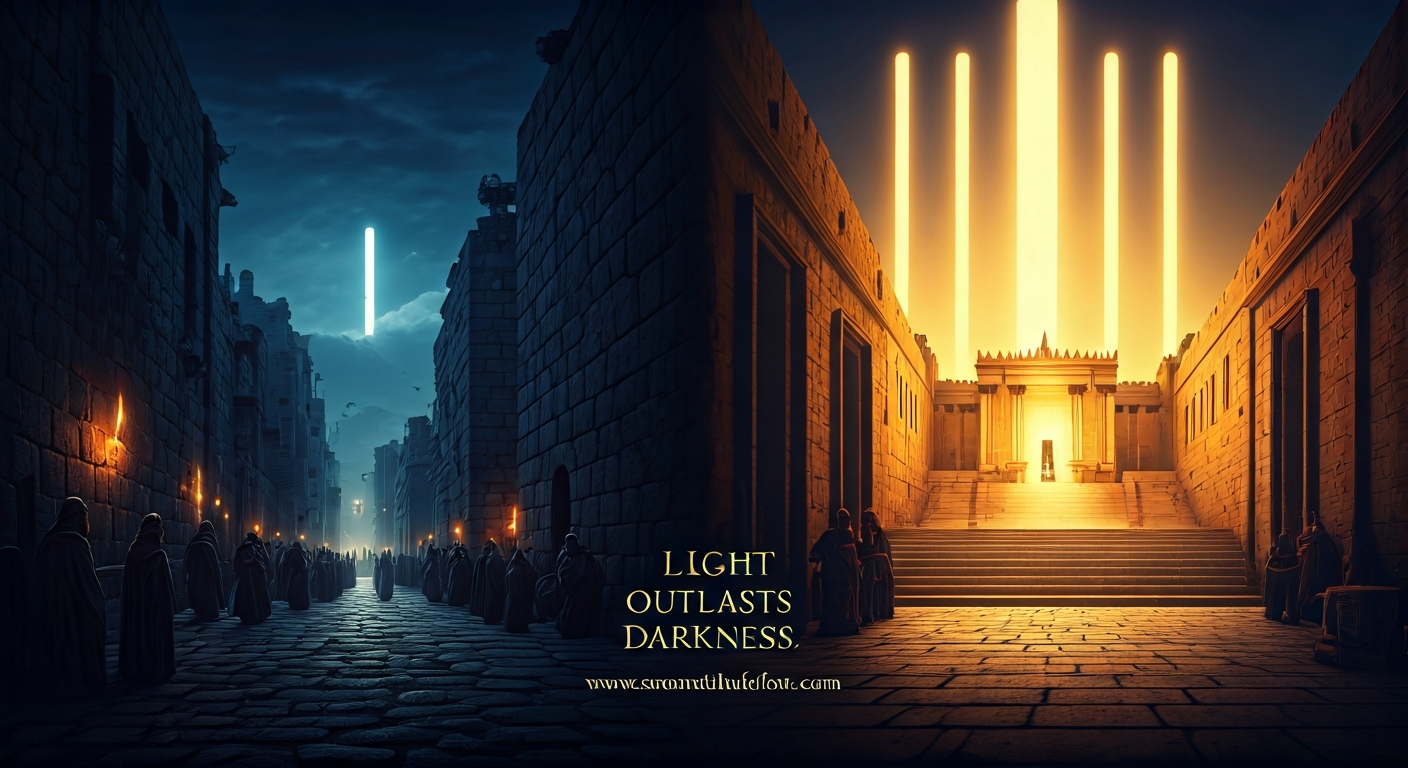
To understand why Hanukkah is celebrated for 8 days, we travel back more than two thousand years to the land of Judea. At that time, the Jewish people lived under the harsh rule of King Antiochus IV, a Hellenistic ruler who sought to impose Greek culture and ban Jewish practices.
A priest named Mattathias and his five sons — led by Judah Maccabee — rose in defiance. Though vastly outnumbered, their courage and unity led them to victory. When they finally reclaimed the desecrated Second Temple, they purified it, rebuilt the altar, and sought to rekindle the menorah — the eternal symbol of divine light.
But only one small sealed jar of oil remained. Miraculously, it burned for eight days instead of one. That is the origin of Hanukkah’s eight days — a celebration of both divine intervention and human perseverance.
The Hanukkah Story for Kids
Once upon a time — over 2,000 years ago — the Jewish people faced a powerful ruler named King Antiochus IV, who wanted everyone in his kingdom to worship the same gods he did. He banned Jewish traditions, destroyed sacred scrolls, and even placed Greek idols inside the Holy Temple in Jerusalem.
But a small, brave group called the Maccabees, led by Judah Maccabee, decided to stand up for their faith and fight for their freedom. Against all odds, these few soldiers defeated one of the strongest armies in the world at that time.
When the Maccabees finally entered their temple again, it was broken, dirty, and desecrated. They cleaned it up and prepared to light the menorah — the seven-branched lamp that symbolized the eternal light of God.
Here’s where the miracle of oil happened. They found only one small jar of pure olive oil, just enough to keep the menorah burning for a single day. Yet — miraculously — that oil kept the flame glowing for eight full days, long enough for new oil to be made and blessed.
That’s why Hanukkah is celebrated for eight days — to honor this miracle of light, faith, and perseverance.
For kids (and adults!) today, the meaning of 8 days in Hanukkah isn’t just about candles or gifts. It’s about remembering how even a little bit of hope — like a single drop of oil — can last much longer than we imagine.
You can think of it like this:
“Even when everything feels dark, one small flame of courage can light up the whole world.”
And that’s exactly what we celebrate every night of Hanukkah — the power of light, faith, and freedom that shines brighter than fear.
The Miracle of Oil in Hanukkah — Why We Celebrate Hanukkah for 8 Days
The “miracle of oil” lies at the heart of why we celebrate Hanukkah for 8 days.
According to the Talmud (Shabbat 21b), the oil that should have lasted one day instead burned for eight. This event symbolized divine blessing and renewal.
Lighting candles for eight nights honors that miracle — but it also reminds us of something larger. Every flame we kindle represents a night when faith triumphed over fear. Every drop of oil symbolizes endurance, unity, and light that refuses to die.
In essence, Hanukkah teaches us this: miracles happen not because of what we have, but because of what we believe.
Historical vs. Religious Reason for 8 Days of Hanukkah
When people ask, “Why is Hanukkah 8 days long?”, the answer actually has two layers — one rooted in history and the other in faith and miracle. Together, they explain why the eight days of Hanukkah carry both political and spiritual meaning.
The Historical Reason: Victory and Rededication
Historically, Hanukkah (or Chanukah, meaning dedication) commemorates the rededication of the Second Temple in Jerusalem in 164 BCE after the Jewish revolt against the Seleucid-Greek empire led by King Antiochus IV Epiphanes.
The Greek rulers had outlawed Jewish practices and desecrated the Temple.
The Maccabees — a small group of Jewish rebels — fought back and reclaimed their holy site.
Once they regained control, they cleansed and rededicated the Temple, marking eight days of celebration modeled after Sukkot, the ancient Jewish festival of harvest and thanksgiving that they had missed during the war.
So, from a purely historical perspective, the eight days of Hanukkah symbolized the completion of a purification ritual and joyful rededication — a physical act of reclaiming identity and freedom.
This version is often supported by ancient historical sources such as 1 Maccabees, which focuses on military victory and national revival rather than miracles.
In short: Historically, Hanukkah was an eight-day festival of victory and renewal — a celebration of freedom after oppression.
The Religious Reason: The Miracle of Oil
The religious explanation — found in later rabbinic texts like the Talmud (Shabbat 21b) — adds the spiritual layer we know best today: the miracle of oil.
According to tradition:
When the Maccabees entered the ruined Temple, they found only one small jar of consecrated oil — enough for one night.
Yet that oil miraculously burned for eight full nights, until new oil could be made under pure conditions.
This miracle became the central reason Jews around the world light the Hanukkah menorah (hanukkiah) for eight nights. Each candle represents one day of the miraculous flame — a symbol of enduring faith, divine presence, and spiritual light in the darkest of times.
“Not by might, nor by power, but by My spirit,” says the Lord of Hosts — this phrase from the Book of Zechariah captures the very essence of Hanukkah’s spiritual side.
How Both Reasons Connect Today
In truth, both explanations coexist — and that’s what makes Hanukkah so meaningful.
- The historical reason celebrates freedom, identity, and perseverance.
- The religious reason reminds us of faith, divine help, and enduring light.
Together, they form a story that resonates across centuries — from the battlefield to the menorah flame.
Modern Jewish families often see this dual meaning as a reflection of life itself:
The history tells us we can fight for what’s right; the miracle reminds us why we must never lose faith in what’s sacred.
Takeaway
So, why we celebrate Hanukkah for 8 days isn’t just about one miracle — it’s about two intertwined legacies:
The historical triumph of the Maccabees reclaiming their freedom, and
The religious miracle of oil symbolizing the endurance of hope.
That’s what makes Hanukkah unique — it’s both a celebration of history and a festival of faith, blending courage and spirituality into one luminous eight-day tradition.
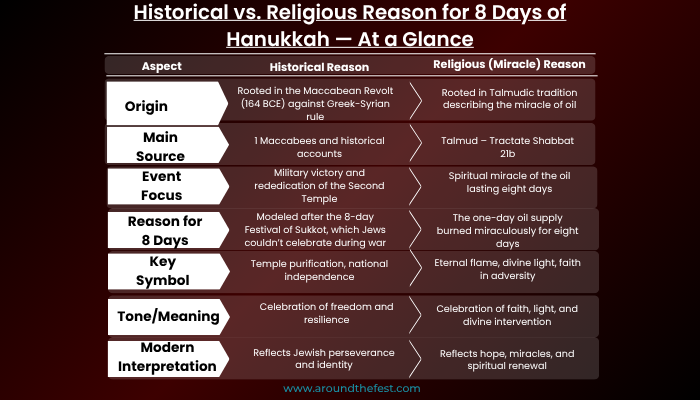
Quick Summary
Both versions explain why Hanukkah is celebrated for 8 days, but from different angles:
- The historical reason honors the Maccabees’ victory and the rededication of the Temple.
- The religious reason centers on the miracle of oil that kept the menorah burning against all odds.
Together, they form the complete story of why we celebrate Hanukkah for 8 days — a balance between human courage and divine light.
The Meaning of 8 Days in Hanukkah: Light, Faith, and Renewal
When we talk about why we celebrate Hanukkah for 8 days, we’re really talking about more than a number — we’re talking about what the number eight symbolizes in Jewish tradition and how it connects the ancient miracle to modern life.
The Symbolism of the Number Eight
In Jewish spirituality, the number seven often represents the natural world — think of the seven days of creation or the seven-branched menorah used in the Temple.
But eight goes beyond nature — it symbolizes something extraordinary, something that transcends the limits of the physical world.
That’s why Hanukkah lasts for eight days — it reflects a miracle that surpassed human logic. The oil should have lasted one day, yet it glowed for eight — symbolizing that when faith is strong, the impossible becomes possible.
“Eight is the number of the infinite — the day when the ordinary becomes sacred.”
This progression mirrors the journey from struggle to renewal, and from darkness to divine light — one candle at a time.
What the Eight Days Teach Us
The meaning of 8 days in Hanukkah reminds us of three timeless lessons:
1. Faith can sustain longer than logic predicts.
Just as the oil lasted beyond reason, our belief in goodness can outlast the hardest times.
2. Light is meant to be shared.
>In Jewish tradition, Hanukkah candles are placed near windows to “publicize the miracle” — a call to spread positivity beyond one’s home.
3. Miracles start small.
>The Maccabees didn’t expect a divine event; they simply lit the menorah — and that small act of devotion sparked a miracle that still shines today.
Why the 8 Days Still Matter Around the World
Today, Jewish communities across the globe — from New York to Jerusalem, Toronto to Mumbai — celebrate these eight days not only as a remembrance of the past but as a living expression of resilience and identity.
Each candle symbolizes both ancient light and modern perseverance. Whether you light a menorah in a synagogue, at home, or even virtually with family far away, the meaning remains the same:
The eight days of Hanukkah remind us that light always wins — and that even in dark times, hope can last far longer than we expect.
The Hanukkah Menorah Miracle — Lighting, Ritual & Tradition-why we celebrate Hanukkah for 8 days
The menorah — more precisely the hanukkiah used for Hanukkah — is the living, flickering heart of the festival. It’s the visible ritual that answers the central question of the season: why we celebrate Hanukkah for 8 days. The hanukkiah doesn’t just recall the miracle of oil; its shape, the order of lighting, and the little helper candle (the shamash) all carry layers of meaning that connect history, law, and everyday practice.
Why Is Hanukkah 8 Days Long? The Menorah and Every Night Grows Brighter
The 9-branched hanukkiah: why nine branches, not eight
A Hanukkah hanukkiah has nine branches: eight for the festival nights and one extra candle, the shamash (שמש — “servant” or “attendant”). The shamash is set apart — higher, lower, or off to the side — and its role is practical and symbolic:
Practical role: Jewish law discourages using ritual lights for ordinary tasks. The shamash provides a non-ritual candle to light the others or to use for any household needs (lighting, reading) during Hanukkah nights without misusing the sanctified festival candles.
Symbolic role: The shamash embodies service. Just as it kindles the other lights, it represents the idea that service to others and small acts of kindness help spread light in the world. The helper candle reminds us that the miracle is not only to be remembered but to be shared.
Because the hanukkiah includes a shamash, you’ll typically see nine branches, even though the festival commemorates eight nights — the extra one makes the ritual both lawful and symbolic.
How the hanukkiah is lit: placement and publicizing the miracle
Traditionally, the hanukkiah is placed where the light can be seen by others — in a window facing the street or near an entrance. This practice is called pirsumei nisa (פרסומי ניסא), “publicizing the miracle.” The goal is not to show off, but to make the miracle visible to the community, turning a private remembrance into a communal witness of hope.
Modern adaptations exist (public menorah lightings, electric hanukkiahs, balcony menorahs), but the intent remains: to make the miracle known and to extend the light beyond the home.
The order of lighting: newest candle first
There are two actions to pay attention to that often confuse learners: where the candles are placed and in which order they are lit.
Placement: Candles are placed in the hanukkiah from right to left (the same direction Hebrew is written).
Lighting: However, when you light them, you light from left to right — that is, you light the newest candle first. So on night three, you place candles in positions 1 → 3 (right → left) but you light position 3 first (the leftmost), then 2, then 1. This practice honors the newest light — the most recent miracle — by kindling it first, making the growth of light forward-looking and focused on renewal.
Blessings and ritual: framing the miracle in prayer
Before lighting, many Jews recite one or more blessings (brachot). Typically two blessings are said each night — and a third blessing (the shehecheyanu) is added on the first night only. These prayers frame the act as both historical remembrance and spiritual thanksgiving, linking the physical candle to a spiritual mindset of gratitude and awe.
Hillel vs. Shammai debate: increasing light or decreasing light?
One of the most interesting rabbinic discussions about Hanukkah concerns how to arrange and count the lights across the eight nights. In the Mishna (and discussed in the Talmud), two schools — Shammai and Hillel — gave opposite practices:
- House of Shammai: Light eight candles on the first night and reduce by one each night thereafter, so that the number of lit candles decreases toward the end.
- House of Hillel: Light one candle on the first night and increase by one each night, so that the number of lit candles increases toward the end.
The rabbis ultimately accepted the Hillel practice — increasing toward greater light — and that became normative. Why? The practical and symbolic reasoning is powerful:
- Publicity of the miracle (pirsumei nisa): Hillel’s practice makes the miracle more noticeable as nights progress. A single candle on night one grows into a full row of light on night eight, drawing more attention and inviting community curiosity.
- A spiritual arc: Increasing light mirrors spiritual growth. Beginning with a single candle and building to eight suggests progress, accumulation, and expanding hope — teaching that faith, charity, and community build over time rather than diminish.
- Psychology of celebration: Ending with the greatest illumination leaves participants with the strongest impression. The crescendo of light makes the conclusion memorable and uplifting.
This rabbinic choice reflects a broader Jewish value: build toward greater light, not away from it.
Growing light as a symbol of spreading goodness
Beyond the legal and ritual details, the nightly accumulation of candles carries a clear ethical metaphor: light multiplies when shared. Each additional candle brightens the room, just as one act of kindness encourages another. The hanukkiah visually teaches that:
- Small acts matter (the first candle).
- Repetition reinforces habit and memory (lighting nightly).
- Community impact grows over time (the fully lit hanukkiah).
The shamash — the servant light — is an emblem of how service and leadership should work. It kindles others without seeking glory for itself. In modern times, this idea appears in community service, public menorah lightings, and charitable Hanukkah initiatives that reflect the ritual’s ancient message.
Practical Tips
Place the hanukkiah where passersby can see it, such as in a window or doorway, to honor pirsumei nisa — the publicizing of the miracle.
- Use the shamash to light the other candles. Never use the festival candles for mundane tasks.
- Place candles right to left, but light them left to right, honoring the newest light first.
- On the first night, say the standard blessings. If celebrating with family or a community, add a brief reflection on why Hanukkah is celebrated for eight days.
This ritual — its design, lighting order, and ancient debates — deepens the meaning of the festival. Each night becomes a reminder that light should grow, be shared, and inspire change, proving that even the smallest flame can brighten the world.
Timeline Snapshot — The Eight Days of Hanukkah
Hanukkah isn’t just a single moment in history — it unfolds across eight meaningful days, each one echoing the miracle that inspired the Festival of Lights. Here’s how the story flows, day by day:
Day 1: The menorah is lit using the last remaining jar of pure oil. It should have lasted only one night, but faith comes first.
Day 2: The flame is still burning. What was expected to fade continues, surprising everyone.
Day 3: Hope grows as the light remains steady. The miracle begins to feel real.
Day 4: Strength builds. The continued light becomes a symbol of perseverance after hardship.
Day 5: Faith deepens. The people trust that the light will last as long as it is needed.
Day 6: The miracle is undeniable. The flame has burned far beyond natural limits.
Day 7: Anticipation grows as new consecrated oil is nearly ready.
Day 8: Fresh oil is prepared, and the temple is fully rededicated. The miracle is complete.
Why This Timeline Still Matters
The eight days of Hanukkah aren’t only about what happened long ago. They represent:
- Hope that endures
- Faith in action
- Light that grows, rather than fades
That’s why, even today, Jewish families light one candle more each night — not all at once — honoring the belief that light increases when it is shared.
How We Celebrate Hanukkah for 8 Days Around the World
Hanukkah may follow the same ritual across the globe — lighting the hanukkiah each night — but every community adds its own flavor, rhythm, and cultural expression. The eight-day festival becomes a universal story told through different traditions, foods, melodies, and family customs. Below is a polished, expanded, and more complete guide to how Jewish communities worldwide celebrate Hanukkah and express the meaning of why Hanukkah is celebrated for 8 days.
USA & Canada — Public Menorah Lightings, Community Events & Interfaith Joy
Across the United States and Canada, Hanukkah has grown into a widely recognized public celebration. Major cities host large menorah-lighting events that draw families, interfaith groups, tourists, and community leaders. These gatherings often feature:
- Giant menorahs in public squares
- Live music, children’s choirs, and storytelling
- Hot chocolate, sufganiyot, and latke stations
- Community blessings and charity drives
- Interfaith participation that strengthens social unity
Many families also blend Jewish traditions with the broader winter holiday season — creating warm, inclusive celebrations that honor heritage while welcoming neighbors and friends. Public menorahs (often electric for safety) ensure the festival’s message of light is visible even in the coldest weather.
Israel — Tradition, Identity & National Memory
In Israel, Hanukkah carries the weight of history. Schools hold plays and educational programs that recount the Maccabean revolt. Municipalities host nightly lightings, and the country becomes filled with festive food — especially sufganiyot in every flavor imaginable.
Celebrations often include:
- Community gatherings and outdoor lightings
- Singing traditional songs like “Sevivon” and “Ma’oz Tzur”
- Family reunions during the eight nights
- Large-scale sufganiyah displays in bakeries
- Educational programs focused on Jewish history and resilience
Hanukkah feels deeply rooted in collective memory — a festival of national pride intertwined with ancient survival.
Europe & Latin America — Renewed Identity, Shared Meals & Cultural Revival
In Europe, where Jewish communities span centuries of tradition, Hanukkah often carries emotional significance. Cities with smaller Jewish populations frequently host community gatherings in synagogues, JCCs, and cultural centers. These include:
- Public menorahs in central plazas
- Holocaust memorial sites illuminated during Hanukkah
- Concerts featuring Ladino or Yiddish music
- Communal dinners with regional Jewish dishes
- Intercultural celebrations highlighting Jewish heritage
In Latin America, Jewish families often incorporate local flavors — think fried yuca, sweet fritters, or Latin-influenced fillings for sufganiyot — blending cultural identity with symbolic foods fried in oil.
Many communities have used Hanukkah as a moment to revive Jewish visibility, celebrate resilience, and reconnect with traditions lost or interrupted across generations.
Modern Global Additions — Eco-Lighting, Digital Rituals & Inclusive Practices
Hanukkah has also evolved with modern life. Around the world, Jewish communities have embraced creative ways to celebrate:
- Eco-friendly menorahs: solar-powered hanukkiahs, sustainable candle options, and recycled materials.
- Digital and virtual lightings: global livestreams, Zoom family blessings, and international candle-lighting campaigns.
- Social media rituals: nightly posts of menorah images, candle-lighting reels, and digital dreidel games.
- Inclusive traditions: vegan, gluten-free, and allergy-friendly holiday menus; sensory-friendly events for children; ASL-integrated blessings.
- Community service: charity drives, food bank donations, and volunteer programs — reflections of the shamash’s role as the “servant flame.”
Modern Hanukkah embraces innovation while still preserving the ancient meaning of the festival: light shared with the world.
Food, Games & Light — What the Eight Days of Hanukkah Teach Us About Why We Celebrate for 8 Days
Hanukkah’s cultural richness comes alive through its food, family games, music, and nightly rituals. These traditions turn each of the eight nights into a celebration that blends spirituality with joy and togetherness.
Fried Foods in Oil — Why Latkes & Sufganiyot Matter
The most famous Hanukkah foods share one essential trait: they are fried in oil. This culinary tradition honors the miracle of the oil that burned for eight days. Each community interprets this symbol differently through regional dishes.
Ashkenazi Tradition:
- Latkes, crispy potato pancakes fried until golden
- Variations include zucchini latkes, sweet potato latkes, and cheese latkes
- Often served with applesauce or sour cream
Sephardi & Mizrahi Tradition:
- Sufganiyot (jelly-filled doughnuts), especially popular in Israel
- Bunuelos, bimuelos, loukoumades, and other fried pastries
- Fried chicken or fish in some Mediterranean Jewish communities
Latin American & European Adaptations:
- Fried plantains, yuca fritters, and local sweets
- Regional doughnuts or pastries adapted to the holiday
Modern Hanukkah tables also feature baked versions or air-fried alternatives — though many families keep at least one night “classic” with traditional oil-fried dishes.
The Dreidel Game — A Simple Game with Deep Meaning
The dreidel, with its four Hebrew letters — Nun, Gimel, Hei, Shin — carries both fun and symbolism. The letters famously stand for:
Nes Gadol Haya Sham — “A great miracle happened there.”
(In Israel, Sham changes to Po — “here.”)
The game is equal parts entertainment and education. Children learn about the miracle in a joyful, playful way, while adults often join in nostalgia-filled rounds during family gatherings.
Many modern families create themed dreidel nights, dreidel crafts for kids, or charity-based games where winnings are donated.
Songs, Gifts & Gathering — The Social Heart of Hanukkah
Each night brings families together through:
- Blessings over the candles
- Traditional songs, especially “Ma’oz Tzur”
- Gift-giving or chocolate gelt for children
- Family meals, often themed for each night
- Storytelling, retelling the Maccabean story in age-friendly versions
Some families adopt a theme for each night — charity night, game night, food night, history night — adding structure and meaning.
Lighting Rituals & the Power of Public Witness
The hanukkiah is placed where its light can be seen — in a window, doorway, or balcony — fulfilling the mitzvah of pirsumei nisa, publicizing the miracle.
Modern practices include:
- Electric menorahs in public places and hospitals
- Outdoor menorahs for community visibility
- Safety adaptations for homes with children or pets
- Themed candle sets for each night (colors, scents, or artisanal designs)
Hanukkah becomes a shared expression of hope — light seen by neighbors, friends, and entire cities.
Inclusive & Contemporary Observances
To ensure every household or community member can participate, many modern celebrations include:
- Allergy-friendly menus
- Vegan sufganiyot & latkes
- Accessible prayers and braille blessings
- Sensory-friendly lighting ceremonies
Hanukkah now blends tradition with inclusivity, making the eight days meaningful, warm, and welcoming for everyone.
“Did You Know?” — Surprising Hanukkah Facts about why we celebrate Hanukkah for 8 days
Hanukkah is one of the most joyful and recognizable Jewish festivals, yet many of its most fascinating details remain unknown to the general public. This quick, engaging section adds curiosity, depth, and high share-value to your blog — making readers pause, learn, and stay on the page longer.
Here are some of the most surprising facts behind the eight-day celebration:
1. The First Menorah Is Over 2,000 Years Old
Archaeologists have discovered ancient menorah carvings and artifacts dating back to the Second Temple period.
These early menorahs were seven-branched, unlike today’s nine-branched hanukkiah used during Hanukkah.
Some of the earliest depictions appear on:
- ancient stone carvings in Jerusalem
- synagogue mosaics from the Roman era
- coins minted by the Hasmoneans themselves
The menorah became such a powerful Jewish symbol that it now appears on the official emblem of the State of Israel.
2. “Hanukkah” Has More Than 15 English Spellings
Because Hebrew uses a different alphabet, the holiday’s name doesn’t have one perfect English equivalent. Transliteration varies widely, which is why you may see:
- Hanukkah
- Chanukah
- Hanukah
- Chanuka
- Hannukah
- Channukah
- Hanukka
- and more
In total, linguists recognize over 15 valid spellings — all referring to the same festival of lights.
The most common modern version is Hanukkah.
3. The World’s Largest Menorah in New York Stands 36 Feet Tall
Every year, New York City hosts lighting ceremonies for two giant menorahs — one at Grand Army Plaza in Manhattan and another in Brooklyn.
The Manhattan menorah is the tallest at 36 feet, built of bright gold-colored steel and lifted with a crane or cherry picker for nightly lightings.
These public displays reflect the Jewish tradition of pirsumei nisa — making the miracle visible to as many people as possible.
4. Hanukkah Isn’t in the Torah — It’s a Post-Biblical Festival
Unlike Passover, Sukkot, or Shavuot, Hanukkah does not appear in the Torah.
The events took place long after the Torah was completed, during the era of the Second Temple in Jerusalem. The story is recorded in:
- the Books of the Maccabees
- Jewish historical writings
- later rabbinic texts that added religious practices
This makes Hanukkah unique — a festival rooted in history, resilience, and miracle, rather than biblical commandment.
5. Israeli Bakeries Make Over 25 Million Sufganiyot Every Hanukkah
Israel takes Hanukkah sweets seriously.
During the eight-day festival, bakeries across the country produce over 25 million sufganiyot, or jelly-filled doughnuts. That’s more than two doughnuts for every person in the country!
Flavors go far beyond the classic jelly filling, including:
- dulce de leche
- pistachio cream
- chocolate hazelnut
- halva
- custard
- seasonal fruit fillings
- gourmet versions topped with edible gold or sprinkles
The tradition of frying foods in oil honors the miracle of the oil — the heart of why Hanukkah is celebrated for 8 days.
Bonus Quick Facts:
- The dreidel game originated during times when Torah study was banned.
- Oil, not candles, was the original light source of the Hanukkah menorah.
- The shamash — the helper candle — is never counted as part of the eight lights.
- In some communities, children receive Hanukkah gelt (money) instead of gifts.
- Hanukkah always begins on the 25th of Kislev, but the Gregorian date changes every year.
What the Eight Days of Hanukkah Teach Us in Today’s World-why we celebrate Hanukkah for 8 days
The eight days of Hanukkah aren’t just a remembrance of an ancient miracle — they offer timeless wisdom that feels even more relevant in today’s uncertain world. Whether you’re celebrating for religious, cultural, or personal reasons, the festival’s message goes far beyond tradition. It speaks to courage, hope, community, and the belief that even the smallest spark of goodness can create lasting change.
1. A Small Light Can Grow to Fill Great Darkness
At its heart, Hanukkah is a celebration of light overcoming darkness. But in a modern sense, this “light” symbolizes so much more:
- Hope during personal challenges
- Kindness in a world that often feels divided
- Optimism when circumstances feel uncertain
The miracle of the oil lasting eight days teaches us that even when our belief is running low, one small act of faith — or one small act of kindness — can ignite something much bigger.
2. Courage to Stand Up for Identity and Beliefs
The Maccabees weren’t the strongest army, but they fought for their identity, their freedom, and their right to be themselves.
Today, that message resonates with:
- Kids and teens learning to be confident in who they are
- Communities standing up against discrimination
- Any person learning to speak their truth in challenging environments
Hanukkah teaches that courage doesn’t always roar — sometimes it looks like simply refusing to give up who you are.
3. Resilience in Times of Uncertainty
The eight-day celebration is a reminder that resilience is not about perfection; it’s about persistence.
In 2025, with fast-paced lifestyles, global pressures, and emotional stress, resilience is more needed than ever. Hanukkah shows us that:
- Progress can come from imperfect conditions
- Even when resources are limited (time, energy, emotional strength), miracles can happen
- Communities thrive when they rely on one another
The Maccabees rebuilt their lives step by step — a lesson we can all take into our daily routines.
4. Faith Isn’t Just Religious — It Can Be Personal
While Hanukkah is deeply rooted in Jewish history, the festival’s lessons are universal.
Faith can mean:
- Believing that tomorrow will be better
- Trusting yourself when doubt creeps in
- Believing in your family, friendships, and support systems
This is why even people who are not Jewish find Hanukkah particularly touching — its message is one of human endurance and the hope for brighter days.
5. Community and Togetherness Matter More Than Ever
Lighting the menorah each night is not a solitary ritual. It’s a shared moment — with family, friends, neighbors, and community.
In today’s digital world, Hanukkah encourages:
- Taking time to connect offline
- Sharing meals and traditions
- Passing down stories from one generation to the next
- Creating moments of warmth in the winter season
The gentle glow of the candles reminds us that togetherness creates warmth no matter how cold the world feels.
6. A Festival That Encourages Inclusivity
One powerful modern aspect of Hanukkah is how inclusive it has become:
- Interfaith families celebrate together
- Schools, workplaces, and communities acknowledge the festival
- People from every walk of life appreciate its message of hope
This inclusivity reflects the idea that “light belongs to everyone.” It’s a reminder that sharing joy doesn’t diminish it — it multiplies it.
7. A Renewed Message for Today’s Generation
For children, the festival teaches courage, gratitude, and curiosity.
Adults, it’s a reminder to slow down, breathe, and find meaning.
For the world, Hanukkah is a celebration of:
- Cultural identity
- Freedom
- Perseverance
- Everyday miracles
Every candle lit on the menorah is a promise — that with hope, even the smallest flame can carry us through the darkest nights.
FAQs — Why We Celebrate Hanukkah for 8 Days
Q1. Why is Hanukkah 8 days long?
Ans. Hanukkah lasts eight days because Jewish tradition teaches that a tiny amount of sacred oil — enough for only one night — burned for eight full nights after the Temple was rededicated. This unexpected endurance of the flame became the core miracle of the holiday.
Some historical interpretations also suggest that the celebration may have echoed an eight-day festival the Jewish people had been unable to observe earlier, possibly the missed Sukkot celebration during wartime.
Q2. What is the story behind the 8 days of Hanukkah?
Ans. After the Maccabees reclaimed the Temple in Jerusalem, they found it desecrated and nearly empty of pure oil. They lit the menorah anyway, trusting in faith — and the light lasted eight days until new oil could be prepared. This moment of hope and renewal is why candles are lit each night of Hanukkah.
Q3. Why is the menorah 9-branched if Hanukkah is 8 days?
Ans. The Hanukkah menorah — called a hanukkiah — has nine branches to include a special candle known as the shamash. This “helper” or “attendant” light is used to kindle the other eight flames. It is not part of the nightly count; instead, it fulfills a practical and spiritual role by serving the other lights.
Q4. What if you miss a night of lighting the menorah?
Ans. If you accidentally skip a night, you simply continue with the correct number of candles the following evening. Each night is considered its own mitzvah (commandment or opportunity), so there’s no requirement to make up the missed lighting.
Q5. When does Hanukkah start and end each year?
Ans. Hanukkah always begins on 25 Kislev in the Hebrew calendar and continues for eight nights. Because the Hebrew calendar follows both lunar and solar cycles, the holiday falls on different Gregorian dates each year — usually sometime between late November and late December.
Q6. Is Hanukkah mentioned in the Bible?
Ans. The story of Hanukkah does not appear in the Torah. It comes from later historical and religious texts, such as the Books of the Maccabees and ancient rabbinic writings. That is why Hanukkah is considered a post-biblical festival with strong historical roots.
Q7. What does the miracle of oil mean today?
Ans. Today, the miracle of the oil is often seen as a symbol of hope, perseverance, and the belief that even the smallest spark — whether an action, a prayer, or an act of kindness — can create lasting light in challenging times.
Q8. Are there other explanations for why Hanukkah lasts eight days?
Ans. Yes. Beyond the oil miracle, some scholars note that the Maccabees may have needed eight days to complete purification rites after reclaiming the Temple. Others suggest that it simply took eight days to produce fresh, ritually pure olive oil. These explanations show how the historical and spiritual layers of Hanukkah overlap.
Conclusion — Why We Celebrate Hanukkah for 8 Days and How One Light Becomes Eternal
When we look at why we celebrate Hanukkah for 8 days, the answer goes far beyond the miracle story — it’s about honoring a moment in history where hope outshone fear. Those eight nights are a living reminder that resilience can begin with something as small as a single flame.
From the Maccabees restoring the Temple to families today lighting their menorahs across the USA and beyond, each night adds a layer of meaning. It’s eight evenings to slow down, reconnect, remember, and reflect. Eight moments to celebrate freedom, faith, and the belief that light grows strongest when it’s shared.
So this Hanukkah 2025, as you watch the candles rise from one to eight, let every flame remind you of your own capacity to push back darkness — gently, steadily, beautifully.
Because even a single flame can spark generations of light.