St. Nicholas 2025 Europe: Traditions, Customs & Celebrations
Introduction to St. Nicholas 2025 Europe
Every year, as December approaches, millions of children across Europe eagerly prepare for one of the continent’s most cherished pre-Christmas celebrations: St. Nicholas 2025 Europe. Did you know that more than 70% of households in Germany, the Netherlands, and Austria still honor this centuries-old festival? From tiny villages to bustling cities, families keep traditions alive that blend generosity, joy, and cultural heritage, passing the spirit of St. Nicholas from one generation to the next.
Why St. Nicholas Traditions Still Matter
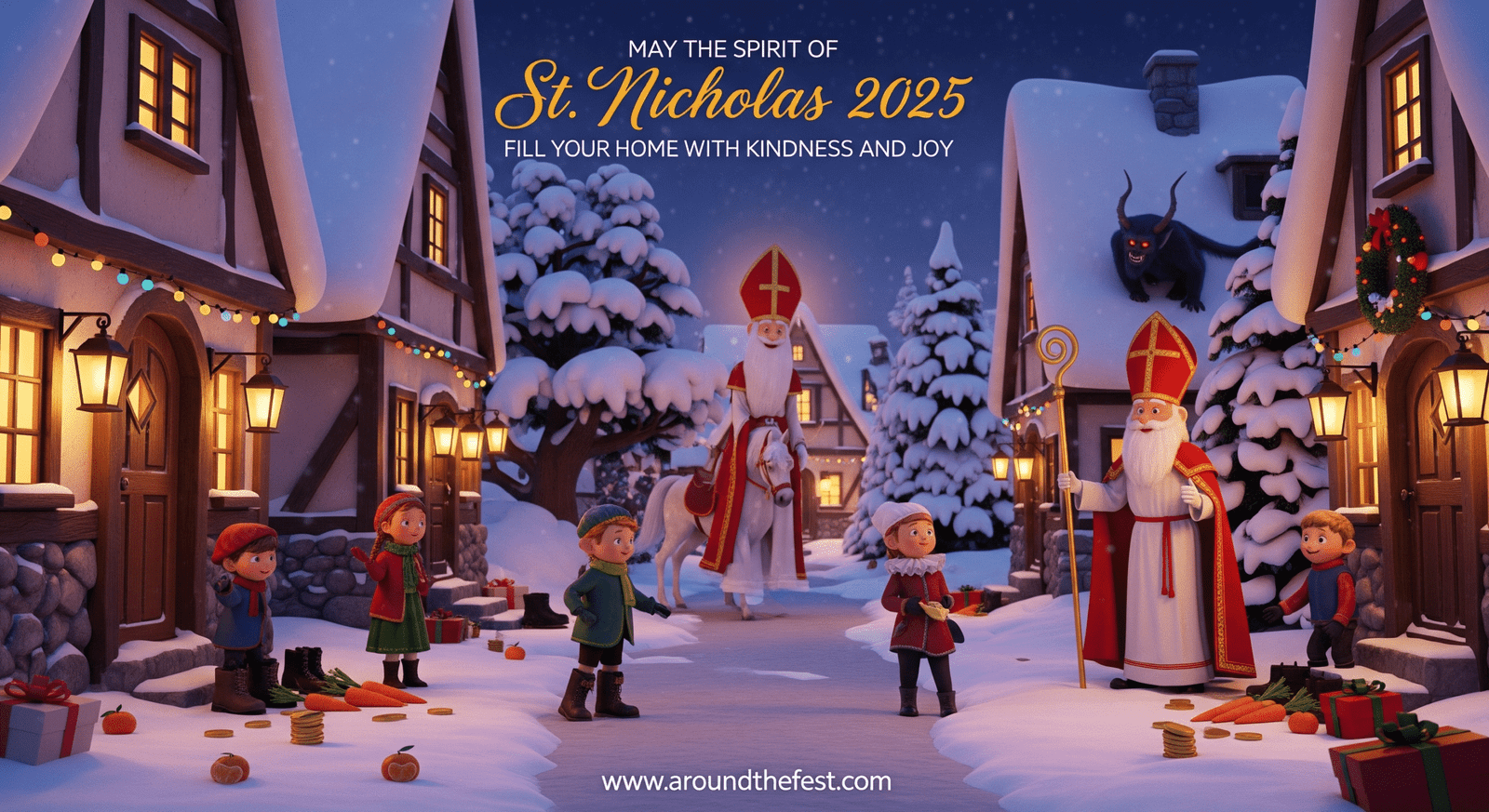
Why do children in Germany place their shoes by the door, while Dutch kids leave carrots for a saint’s horse? How did a 4th-century bishop from Myra inspire rituals that are still practiced today? These questions show why St. Nicholas 2025 Europe is more than just a day for sweets and gifts. It is a celebration of kindness, family bonds, and community connection.
Each country adds its own flavor to the day. In Germany, Nikolaustag fills boots with chocolate coins, Netherlands, Sinterklaas brings pepernoten and chocolate letters. In Austria, the playful Krampus reminds children to behave. These traditions highlight the diversity and cultural richness of St. Nicholas 2025 Europe.
The Timeless Message of Giving -St. Nicholas 2025 Europe
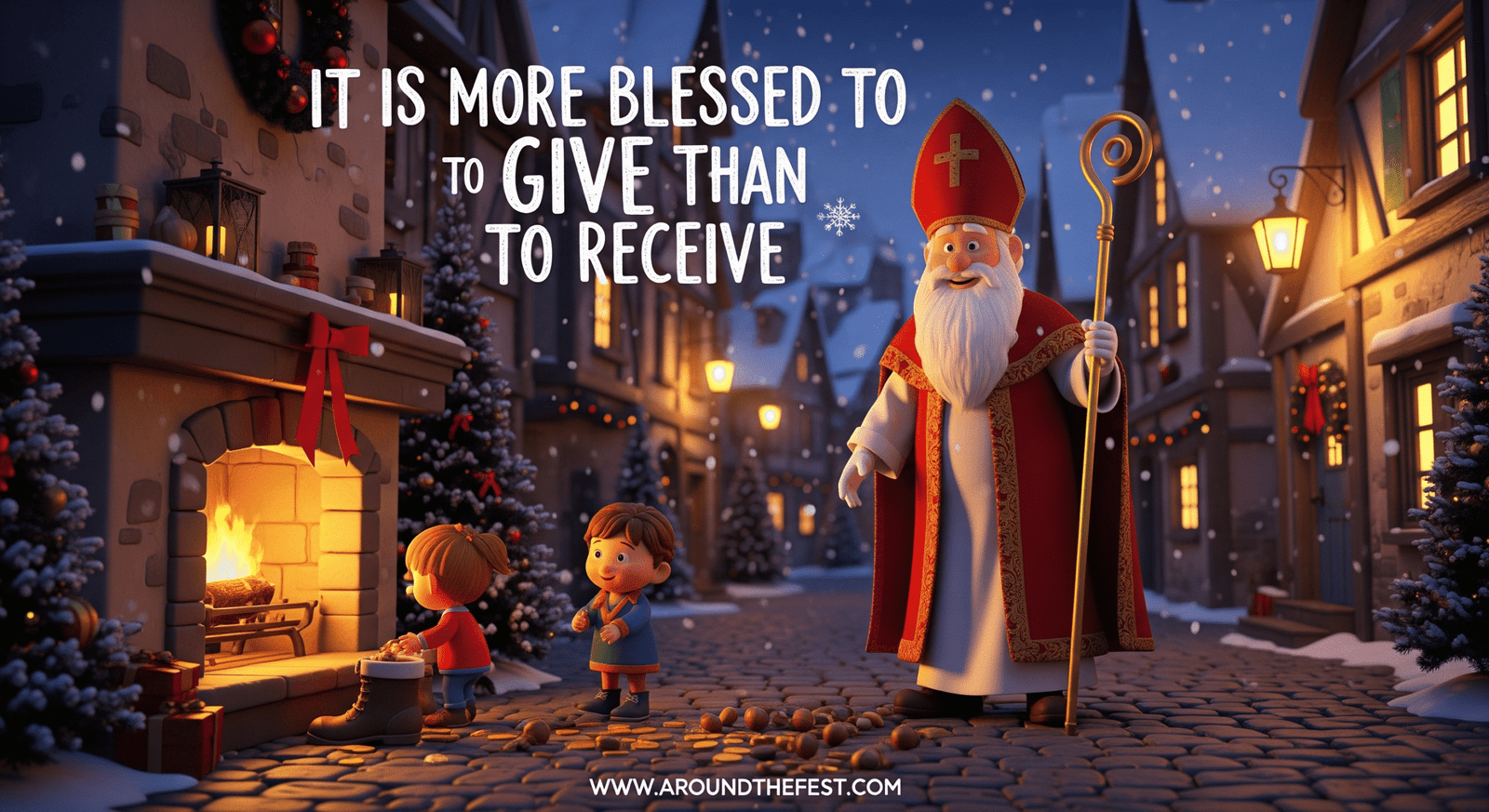
As St. Nicholas himself said, “It is more blessed to give than to receive.” This timeless message captures the heart of the festival, highlighting generosity and thoughtfulness over material gifts. Families use this day not only to delight children but also to share stories, pass on rituals, and preserve values that have endured for centuries.
What to Expect in This Guide
In this comprehensive guide to St. Nicholas 2025 Europe, we’ll journey across the continent to explore the diverse ways each country celebrates. From historical origins to modern traditions, you’ll discover at-home celebration ideas, iconic regional treats, and inspiring customs that unite communities. Whether you plan to experience the festival in person or are simply curious about European culture, this guide will immerse you in the magic, history, and enduring joy of St. Nicholas Day.
History of St. Nicholas 2025 Europe
Who Was St. Nicholas?
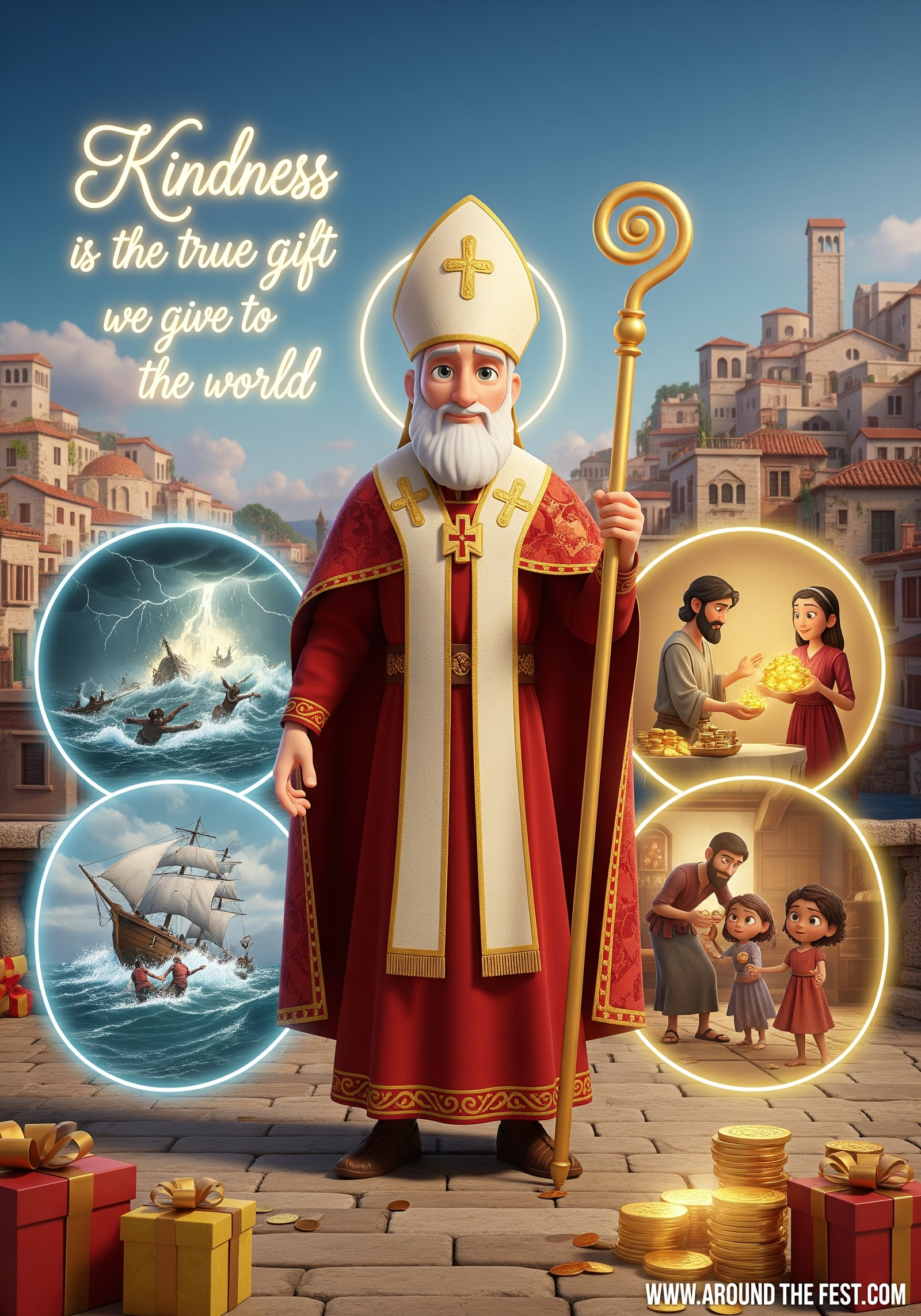
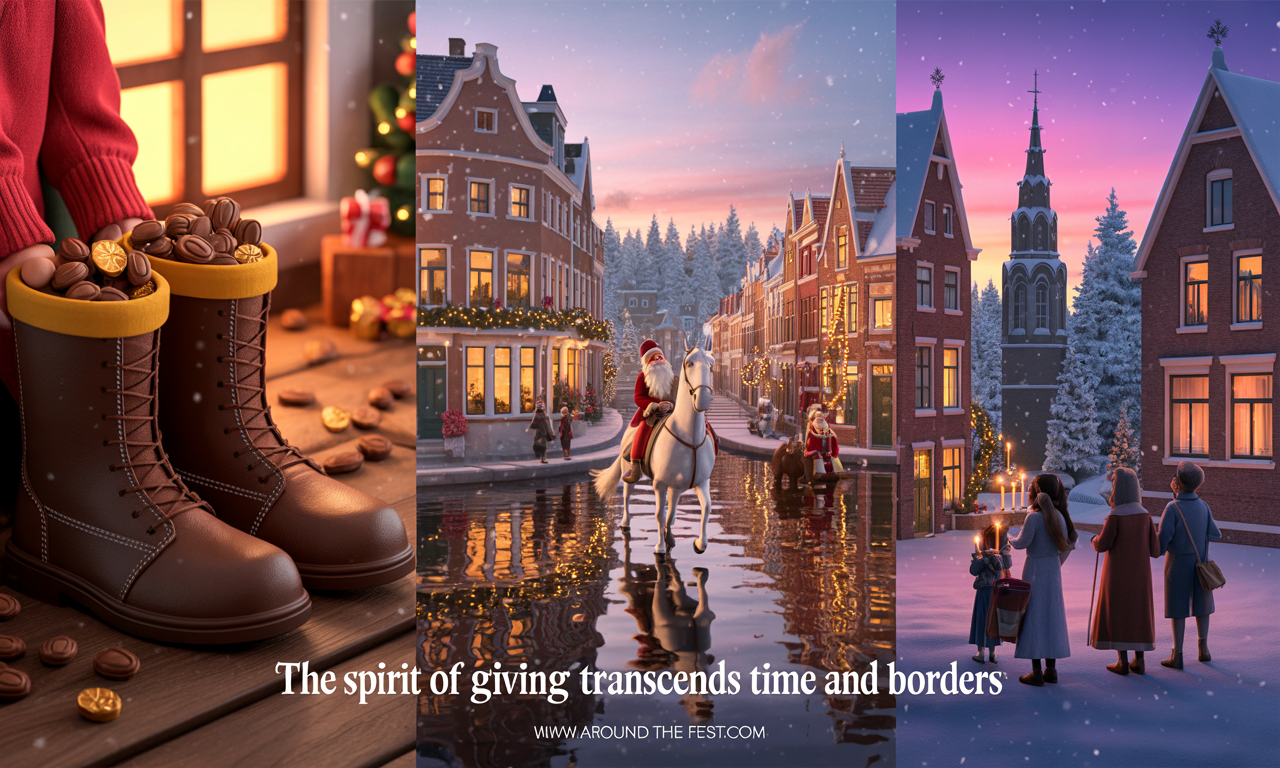
The story of St. Nicholas, also known as Nicholas of Myra, begins in the 4th century in the coastal town of Myra, in present-day Turkey. He was born into a wealthy Christian family and soon became known for his generosity, humility, and devotion to helping others. After losing his parents at a young age, Nicholas chose to use his inheritance to care for the poor. Because of this, he earned a lasting reputation as a protector of children, sailors, and the vulnerable.
Stories of his miracles spread quickly across the Mediterranean. Among the most famous are:
- Saving sailors from violent storms at sea.
- Secretly providing dowries for impoverished girls so they could marry.
- Reviving children in times of danger or famine.
These accounts shaped his legacy and set the stage for his sainthood. Not surprisingly, his acts of kindness inspired the tradition of giving gifts on St. Nicholas Day, December 6—a practice still alive today.
Later, Nicholas became the Bishop of Myra. From this role, he influenced not only his local community but also the wider Christian tradition across Europe. His feast day—December 6, the anniversary of his death in 343 AD—quickly became one of the most cherished dates in the Christian calendar. Across the continent, families honored the day with festivals, church services, and rituals that carried forward his message of generosity and compassion.
Even centuries later, St. Nicholas remains one of the best-known saints in Christianity. Many also remember him as the original inspiration behind Santa Claus.
How St. Nicholas Became a European Festival
As Christianity spread throughout Europe, the legend of Nicholas traveled with it. By the Middle Ages, he ranked among the most venerated saints, especially beloved by children and seafarers. His feast day on December 6 naturally became a time for charity, storytelling, and joyful gift-giving.
Different countries created their own unique traditions:
In Germany and Austria, children placed shoes or boots outside their doors. By morning, they often found sweets, coins, or small gifts.
In the Netherlands, St. Nicholas—known as Sinterklaas—arrived by boat. This symbolized his role as patron of sailors. He was often shown riding a white horse, accompanied by helpers, as he handed out presents to children.
In Eastern Europe, church processions, community gatherings, and festive foods formed the heart of St. Nicholas celebrations.
Gradually, these regional customs blended Christian devotion with local folklore. Together, they created the diverse tapestry of St. Nicholas Day traditions across Europe. Furthermore, they laid the foundation for the modern-day image of Santa Claus in the United States. This shows how cultural traditions can evolve and travel across centuries.
Fun Fact: Origins of Shoes by the Fireplace
One of the most enduring customs—children leaving shoes by the fireplace or front door—comes from medieval Europe. The practice grew from the legend of St. Nicholas tossing bags of gold into the home of a poor man with three daughters. According to the story, the gold landed in shoes or stockings left to dry by the fire. This simple act saved the family from poverty.
Today, this kindness lives on in Nikolaustag traditions in Germany, Sinterklaas customs in the Netherlands, and similar rituals across Europe. On St. Nicholas Day 2025, millions of children will wake up to find their shoes filled with chocolate coins, nuts, mandarins, and small toys. This joyful ritual links families today with centuries of European history. It also keeps alive the timeless spirit of giving.
Traditions of St. Nicholas Day 2025 Across Europe
St. Nicholas Day 2025 in Europe is more than a religious feast — it’s a celebration that blends faith, folklore, and festive joy across the continent. Observed on December 6, the day honors St. Nicholas of Myra, a 4th-century bishop whose legendary kindness inspired today’s traditions of gift-giving and generosity.
While the date remains the same across Europe, the rituals, foods, and customs vary from country to country. Some focus on sweet rewards for children, others add spooky folklore figures like the Krampus, while a few embrace parades, songs, and family gatherings. Together, these practices make St. Nicholas Day 2025 in Europe a truly diverse cultural event.
🇩🇪 Germany – Nikolaustag Magic
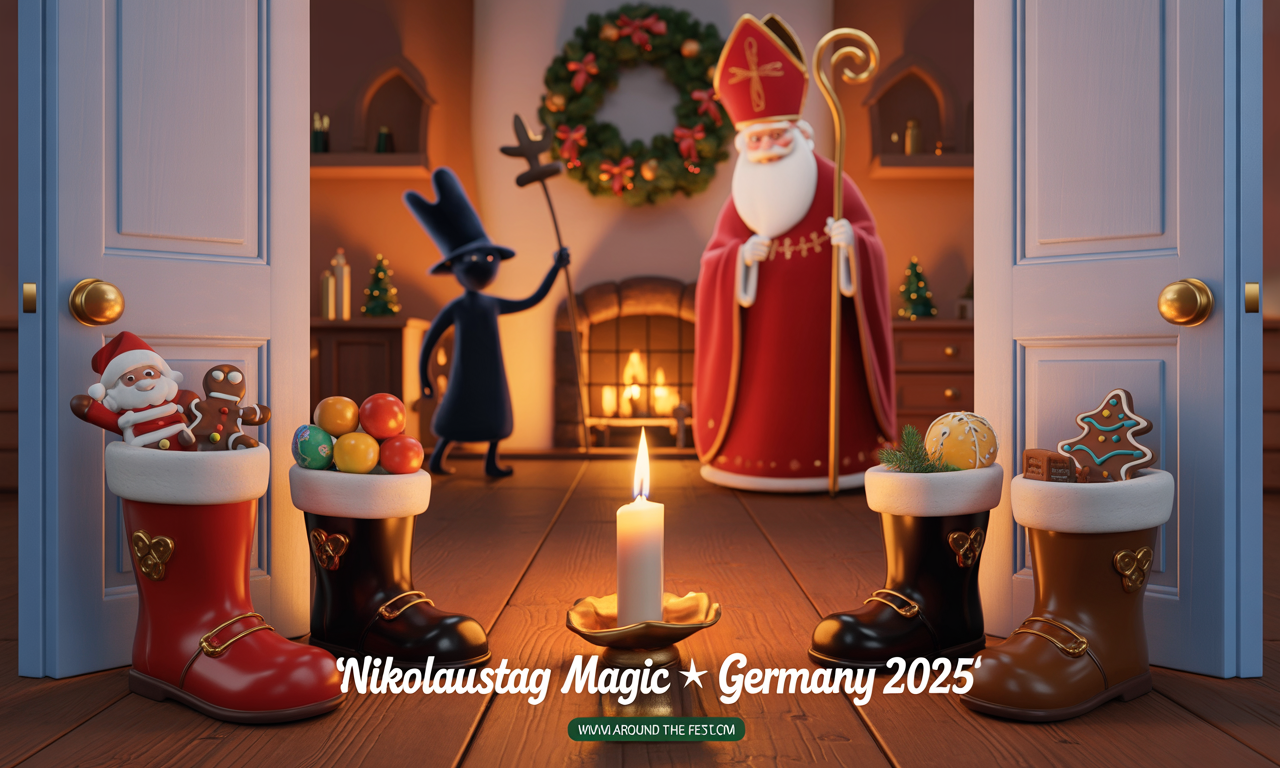
In Germany, Nikolaustag (St. Nicholas Day) is a much-anticipated holiday, especially for children. On the evening of December 5, kids carefully clean and polish their boots or shoes, placing them outside the door or by the fireplace. Overnight, St. Nicholas is believed to visit and fill them with nuts, mandarin oranges, chocolate Santas, and gingerbread cookies (Lebkuchen).
But German tradition isn’t only sweet — it comes with a little discipline. Alongside Nicholas, some regions still tell tales of Knecht Ruprecht, a stern companion who carries a switch. Naughty children might wake to find coal, twigs, or even onions instead of sweets.
Many German families also sing Nikolauslieder (St. Nicholas songs), and festive markets sell seasonal treats. Schools sometimes host St. Nicholas visits, where an actor dressed as the saint hands out small gifts while asking children to recite poems.
Fun fact: In Bavaria and the Rhineland, St. Nicholas sometimes rides a donkey, not a sleigh, reflecting older rural traditions.
🇳🇱 Netherlands – The Lively Sinterklaas Parade
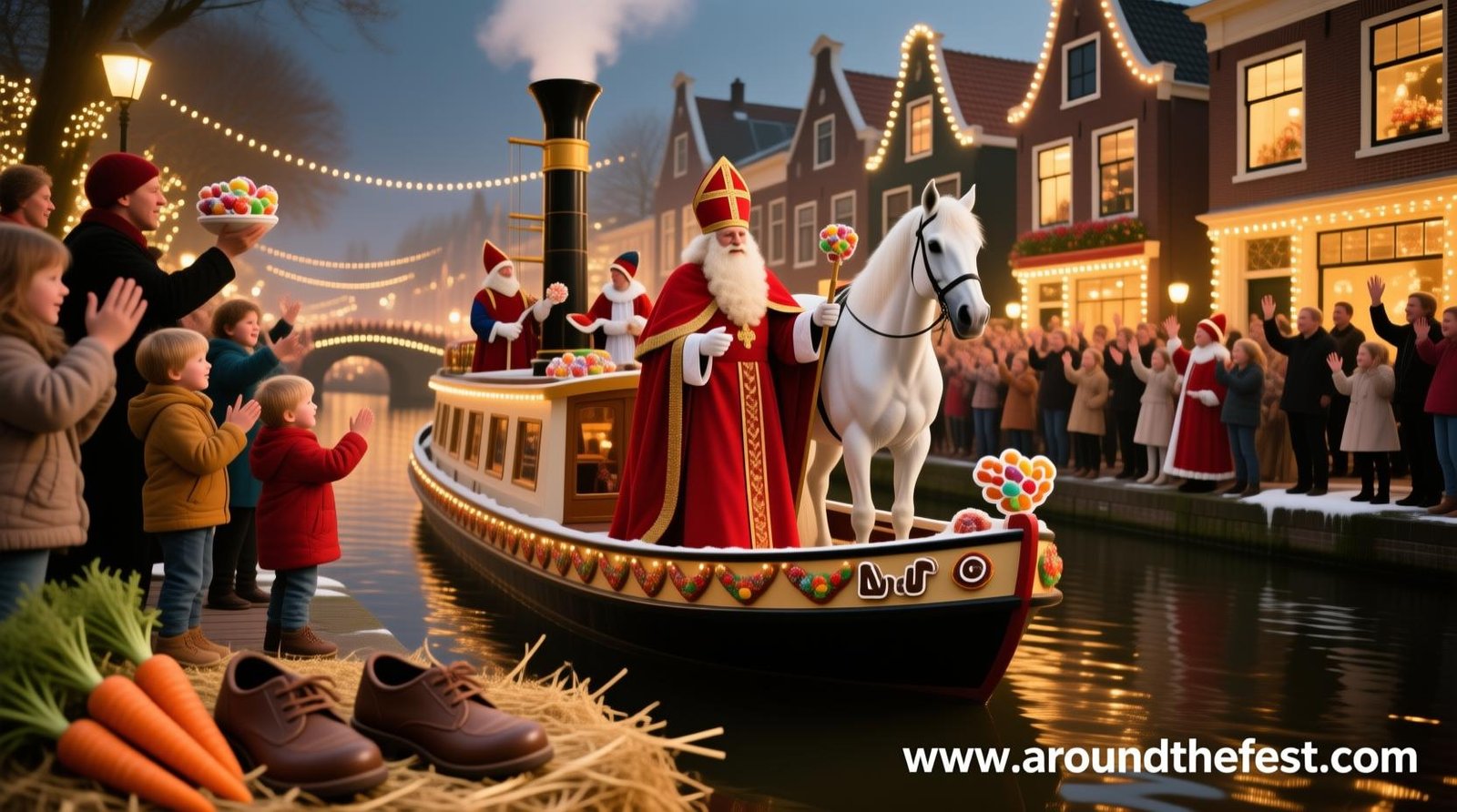
The Dutch take St. Nicholas festivities to another level with their famous Sinterklaas celebrations. Unlike most countries, the Dutch traditions begin in mid-November, when St. Nicholas (Sinterklaas) arrives by steamboat from Spain, greeted by cheering crowds and televised nationwide.
The weeks leading up to December 5 (Sinterklaasavond, or St. Nicholas Eve) are filled with excitement. Children leave their shoes by the fireplace or window, along with hay or carrots for Sinterklaas’s white horse (Amerigo or Ozosnel). By morning, the shoes are filled with sweets, marzipan, or chocolate letters.
On Sinterklaasavond itself, families exchange gifts, often accompanied by playful rhyming poems poking fun at the recipient. The night is filled with laughter, storytelling, and festive meals.
Fun fact: The Dutch version of St. Nicholas — with his red robes, white beard, and boat travels — directly influenced the modern image of Santa Claus in America when Dutch settlers brought the tradition to New York.
🇦🇹 Austria – Sweet Treats & Spooky Krampus Runs
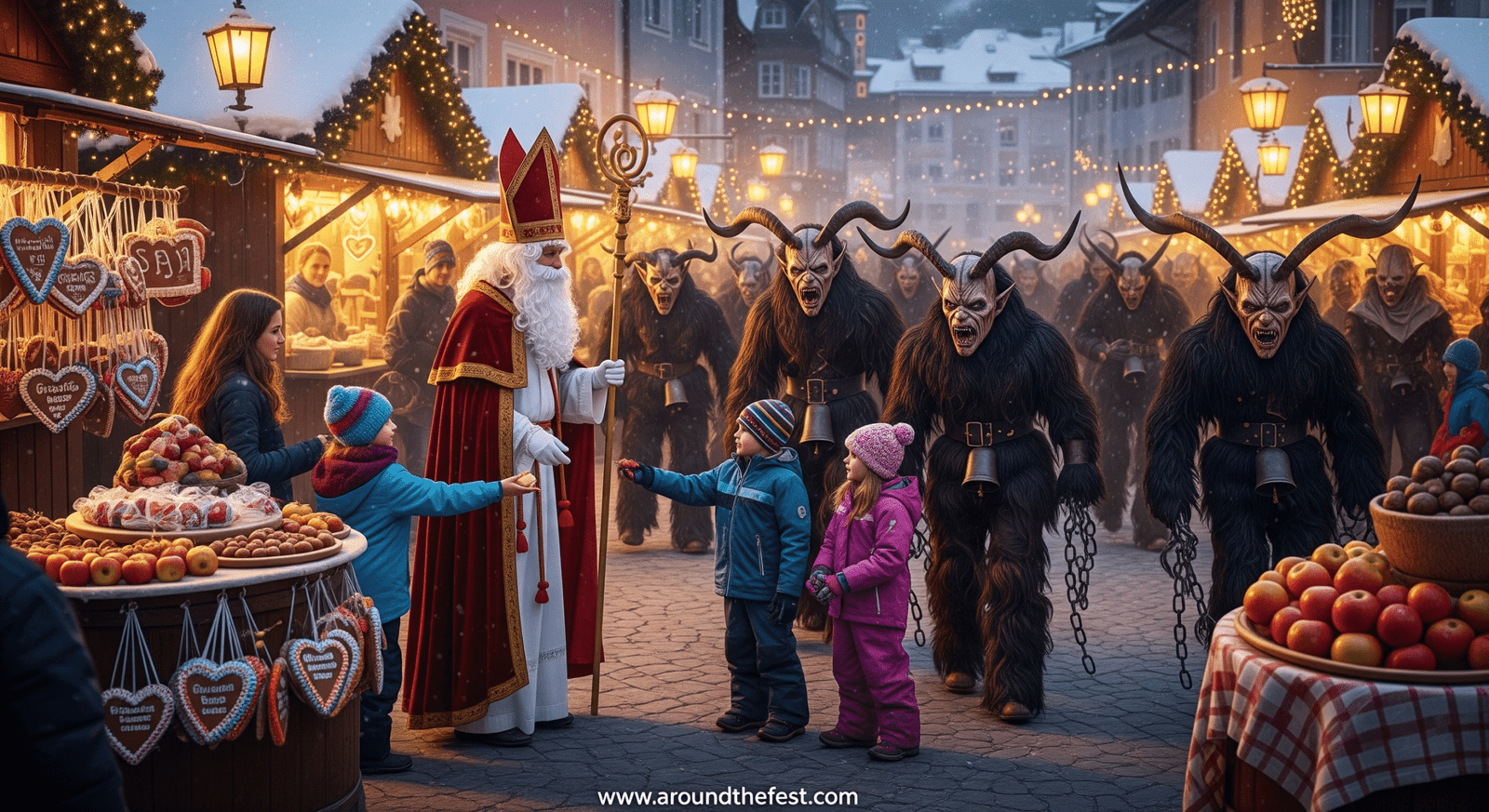
In Austria, St. Nicholas (Nikolaus) is both celebrated and feared, thanks to his terrifying sidekick, the Krampus. On December 5, the eve of his feast day, towns host Krampusläufe (Krampus runs), where people dressed as horned, demonic creatures parade through the streets, rattling chains and scaring children.
But the next day, December 6, belongs to St. Nicholas himself. Children receive bags of nuts, apples, chocolates, and gingerbread hearts, while communities gather for festive markets and church services.
Austria’s blend of sweetness and spookiness makes it one of the most dramatic celebrations in Europe, drawing curious travelers eager to see the Krampus in action.
🇨🇿 Czech Republic – The Angel, the Devil, and the Saint
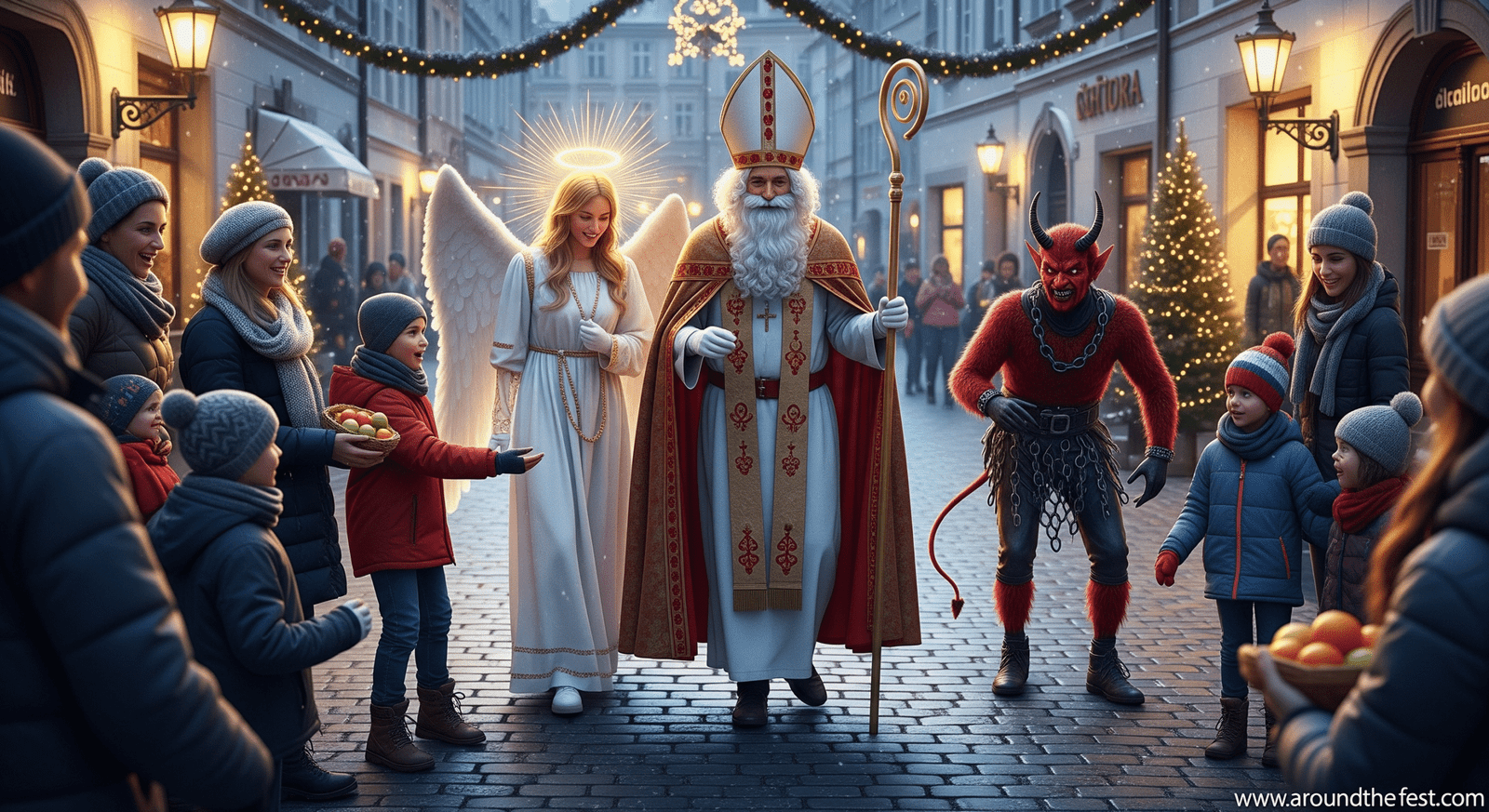
In the Czech Republic, Mikuláš (St. Nicholas) doesn’t travel alone. On the night of December 5, he roams the streets with an angel (symbolizing good) and a devil (symbolizing evil). Together, they visit homes, asking children whether they’ve been well-behaved.
Good children receive sweets, fruits, or small gifts. Those who misbehaved might be threatened with a lump of coal or a potato. Sometimes the devil playfully rattles chains to scare kids — though always in good fun.
Schools and town squares often host public processions, turning the tradition into a lively community event. Parents also use the occasion to teach moral lessons about honesty, kindness, and good behavior.
🇭🇺 Hungary – Mikulás Day Surprises
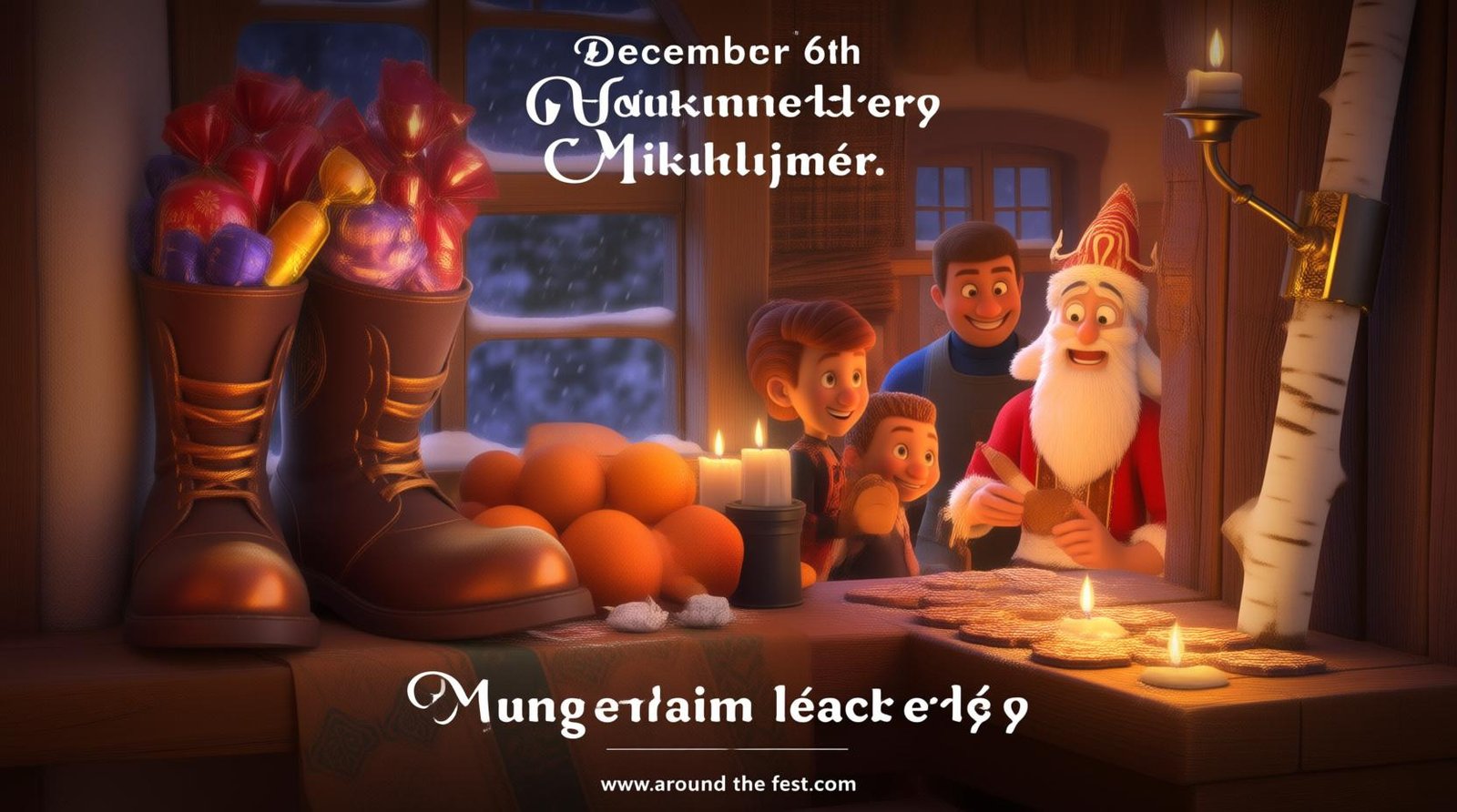
In Hungary, Mikulás Day falls on December 6, when children put freshly polished boots on their windowsills. Overnight, St. Nicholas fills them with candies, chocolates, and oranges.
But just like in Germany, mischief has its price. Instead of coal, naughty children might receive a virgács — a golden-painted birch switch, symbolizing discipline.
Shops across Hungary are stocked with Mikulás-themed chocolates wrapped in shiny red foil, and schools often invite someone dressed as St. Nicholas to hand out sweets. Families may also bake traditional treats like mézeskalács (honey cookies) to mark the occasion.
🇵🇱 Poland – A Day of Family Giving
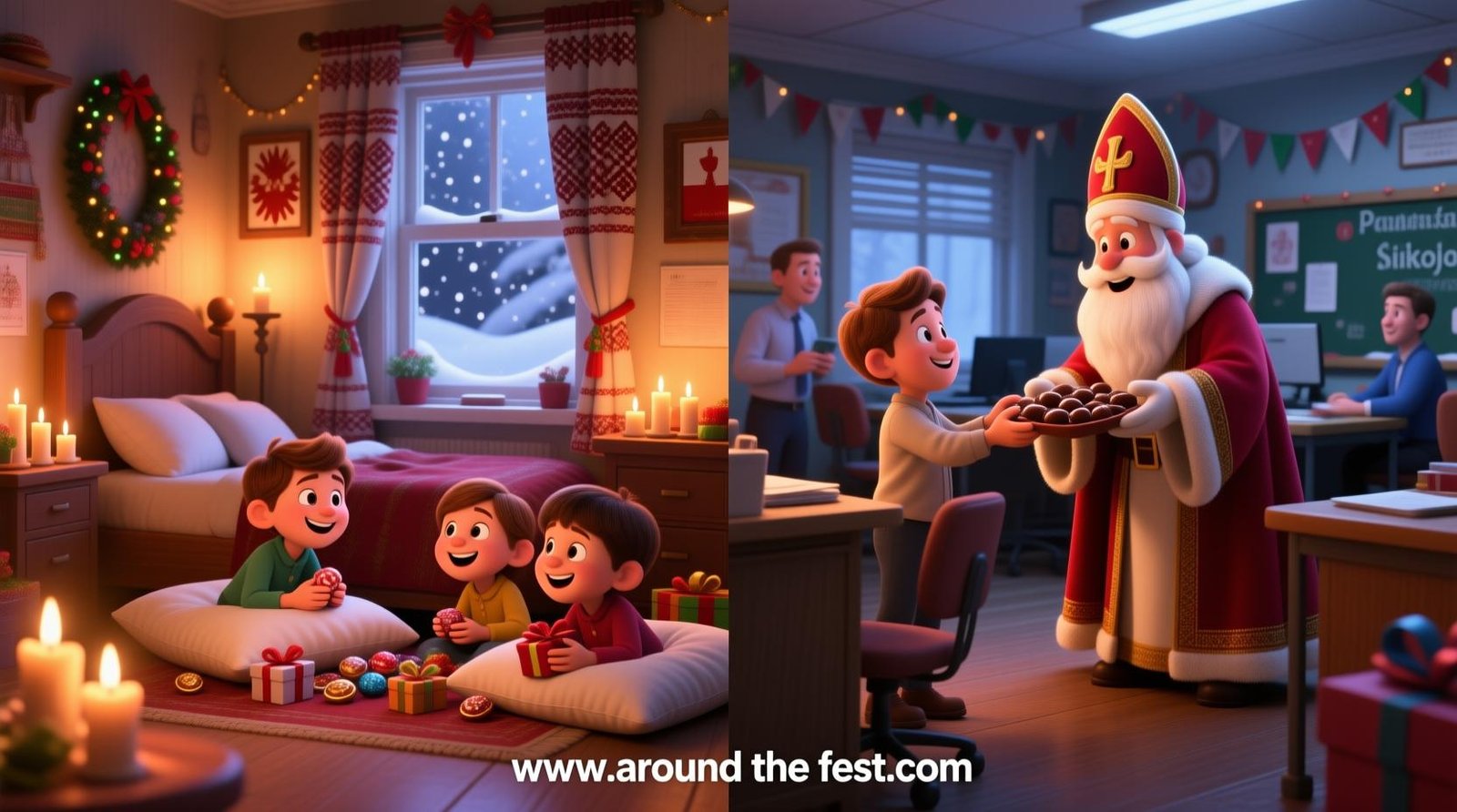
In Poland, Święty Mikołaj is deeply loved, and December 6 is marked by both children and adults. Kids receive sweets or small gifts under their pillows, while families, friends, and even coworkers exchange presents as a gesture of goodwill.
Schools and offices sometimes host St. Nicholas visits, where someone in bishop’s attire hands out chocolates to everyone. This makes the holiday feel inclusive, reinforcing the saint’s message of sharing and kindness.
Fun fact: In southern Poland, St. Nicholas also visits parishes during Advent, blending the religious and cultural aspects of the season.
🇧🇪 Belgium – Chocolate Letters & Marzipan
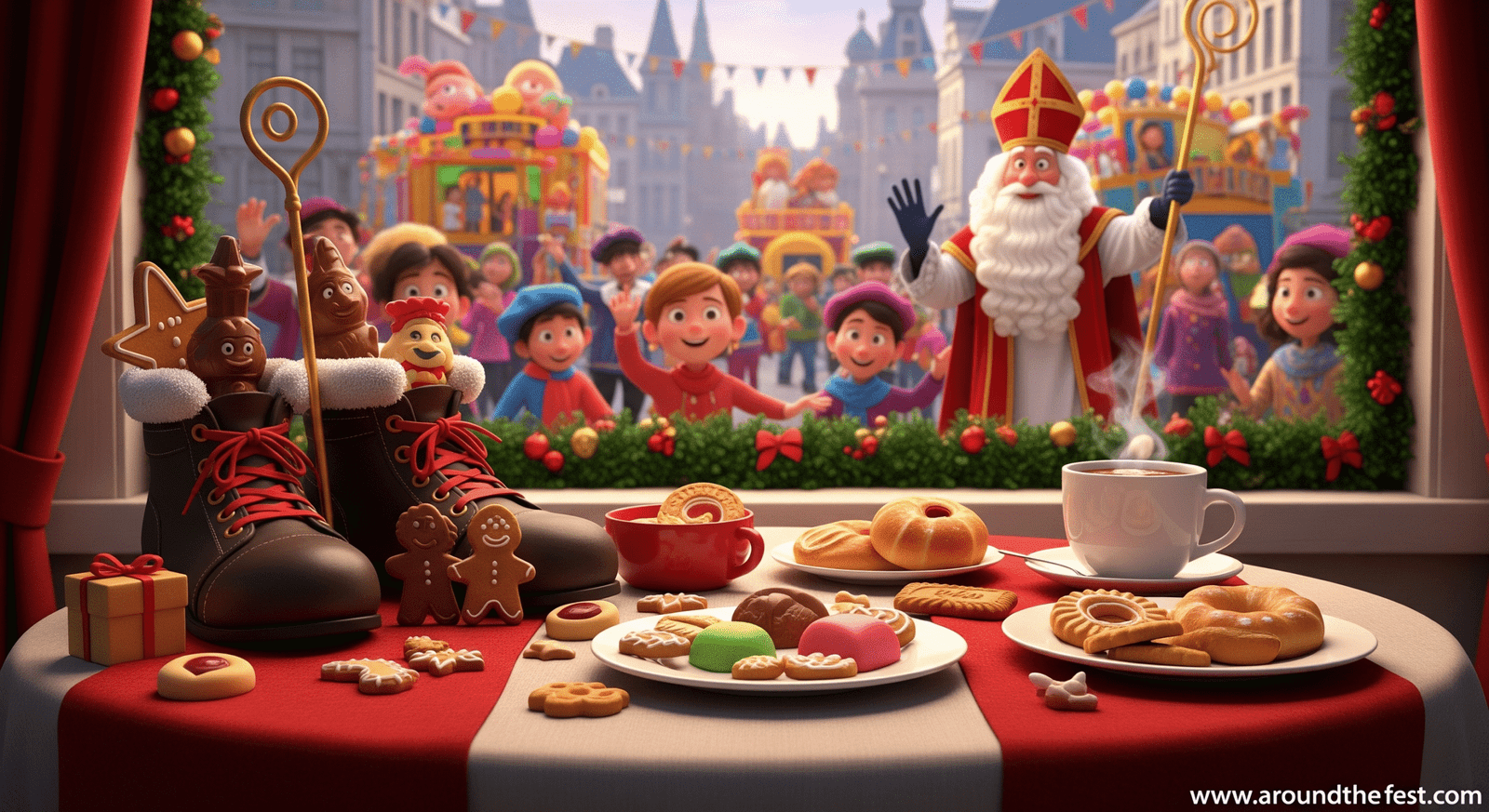
Belgium shares similarities with Dutch traditions, but with a sweeter twist. On December 6, children wake to find their shoes filled with chocolate figurines, marzipan, gingerbread, and speculoos cookies.
Families often gather for festive breakfasts featuring hot chocolate and pastries. Many Belgian cities also host Sinterklaas parades, making the celebration highly community-oriented.
🇸🇰 Slovakia – A Shared Trio Tradition
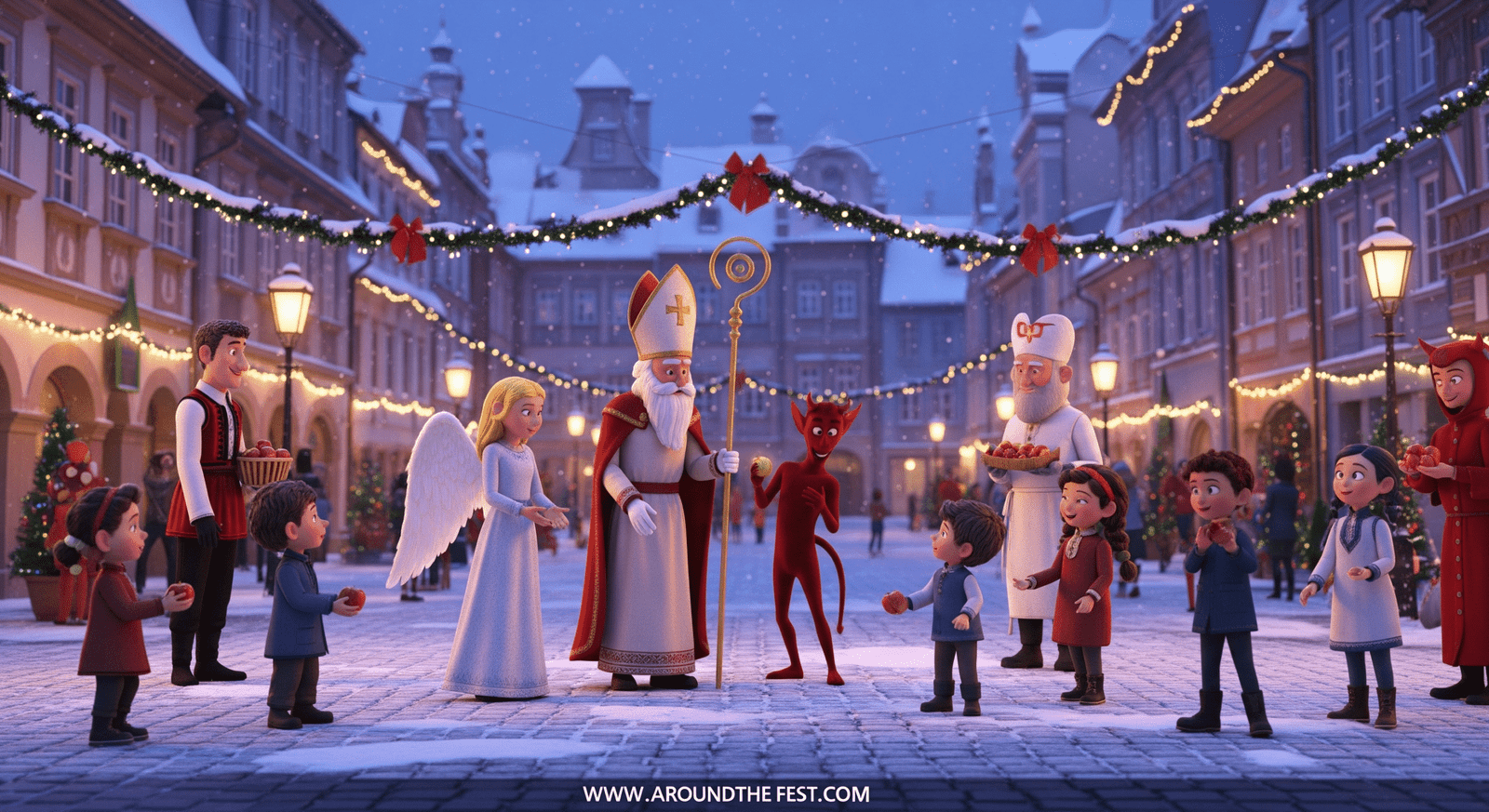
In Slovakia, St. Nicholas (Mikuláš) arrives with the same angel-and-devil entourage as in the Czech Republic. Children sing songs or recite poems before receiving sweets, apples, and chocolates. Public squares come alive with costumed groups handing out treats, ensuring the tradition continues for younger generations.
🇭🇷 Croatia – Sweets & Surprises
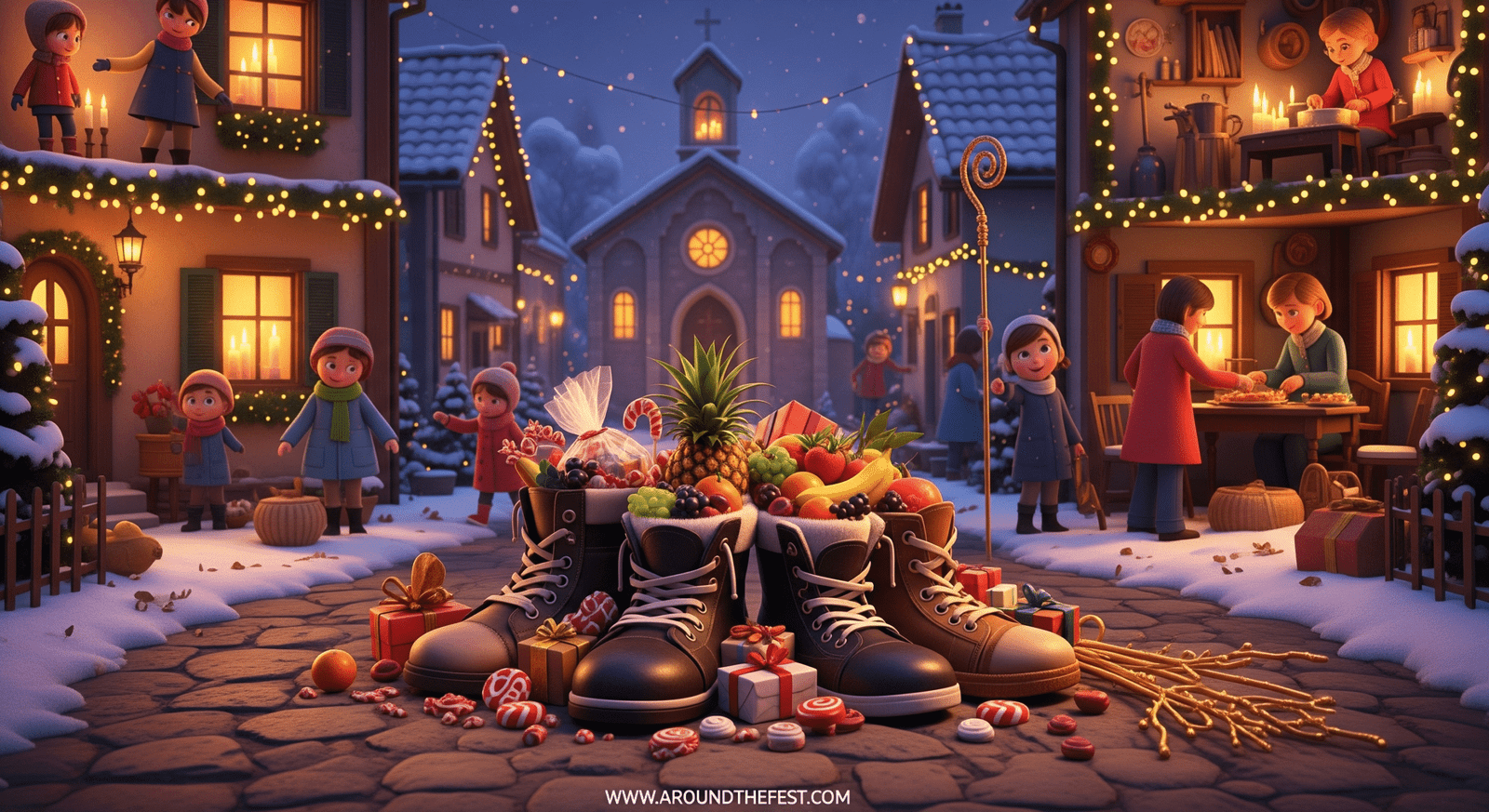
In Croatia, St. Nicholas (Sveti Nikola) is celebrated on December 6 with gift-giving for children. Naughty kids are warned that they might get a golden-painted twig, much like in Hungary. Families often prepare festive meals and visit churches, blending faith with seasonal joy.
Other Notable Traditions
- Luxembourg: Children leave plates outside their doors for sweets.
- Switzerland: Some regions celebrate Samichlaus with parades and storytelling.
- Italy (South Tyrol): Children receive gifts from St. Nicholas and sometimes face playful scoldings from his helpers.
Why St. Nicholas Day 2025 Europe Stands Out
Unlike Christmas, which is celebrated globally, St. Nicholas Day remains a uniquely European festival that highlights cultural diversity. From the joyful parades of the Netherlands to the spooky Krampus runs of Austria and the family-oriented giving in Poland, each country puts its own stamp on the tradition.
Whether you’re traveling in Europe in December 2025 or simply learning about global celebrations, St. Nicholas Day offers a fascinating glimpse into how history, faith, and folklore come together to shape holiday traditions.
Foods and Sweets of St. Nicholas Day 2025 Europe
No celebration of St. Nicholas Day 2025 Europe would be complete without the sweet aromas and festive flavors that fill homes, markets, and bakeries across the continent. While each country adds its own culinary twist, the core idea remains the same: simple but meaningful treats that symbolize generosity, family warmth, and holiday joy.
For children, waking up to find chocolates, fruits, nuts, and gingerbread in their shoes is the highlight of December 6. But for adults, these foods also carry centuries of tradition, reminding them of childhood memories and family bonds. Let’s take a delicious journey through the signature foods of St. Nicholas Day across Europe.
Classic Treats Found Across Europe
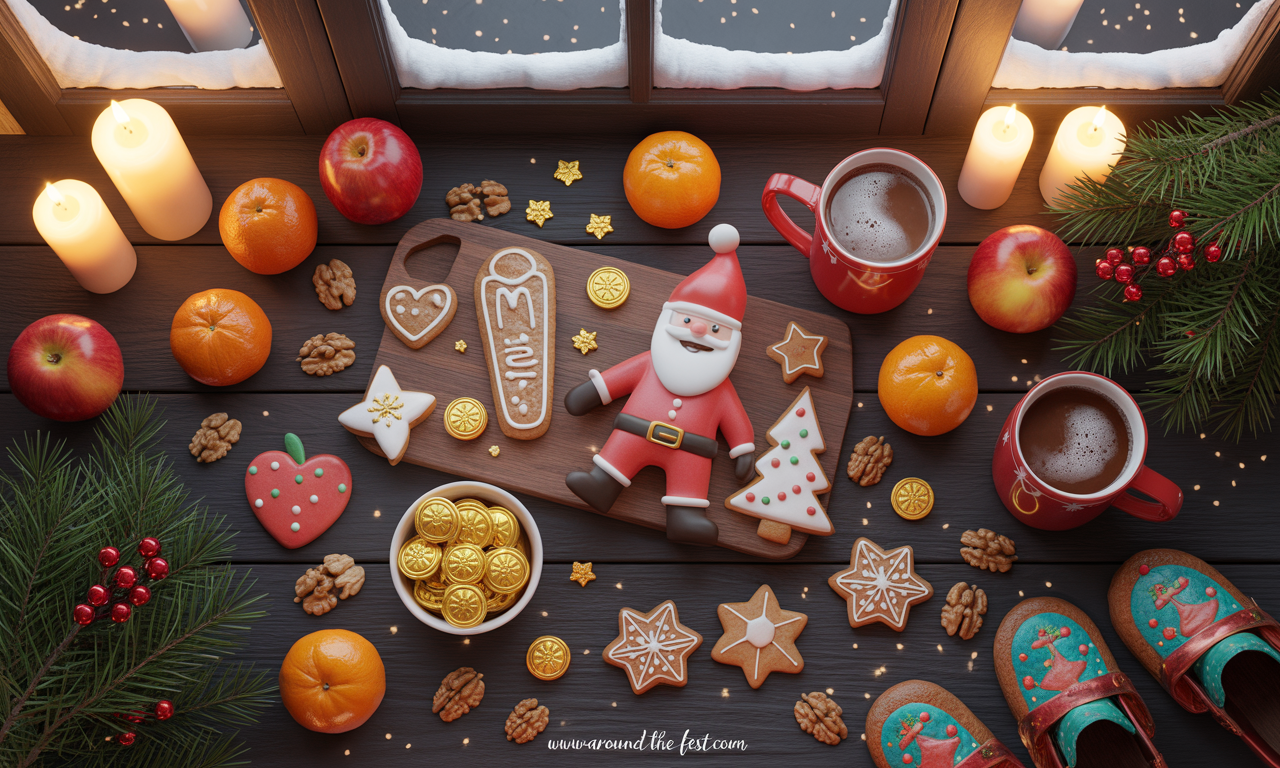 Some foods appear almost everywhere, though with local variations:
Mandarin Oranges & Apples – A symbol of health and prosperity. Oranges recall the legend of St. Nicholas secretly gifting gold to a poor family, as the fruit resembles golden coins.
Nuts (Walnuts, Hazelnuts, Almonds) – Represent strength and fertility; many families crack them together on St. Nicholas morning.
Chocolate Coins – Wrapped in golden foil, echoing the saint’s legendary act of tossing gold through a poor family’s window.
Gingerbread Cookies – Baked in festive shapes like stars, hearts, or even St. Nicholas himself.
These staples are not just tasty — they embody symbols of generosity, luck, and joy. Families also pair these treats with hot drinks like spiced cocoa, herbal teas, or mulled wine and small crafts, such as decorating shoes or creating homemade festive ornaments, making it a full family activity experience.
🇩🇪 Germany – Lebkuchen & Spekulatius
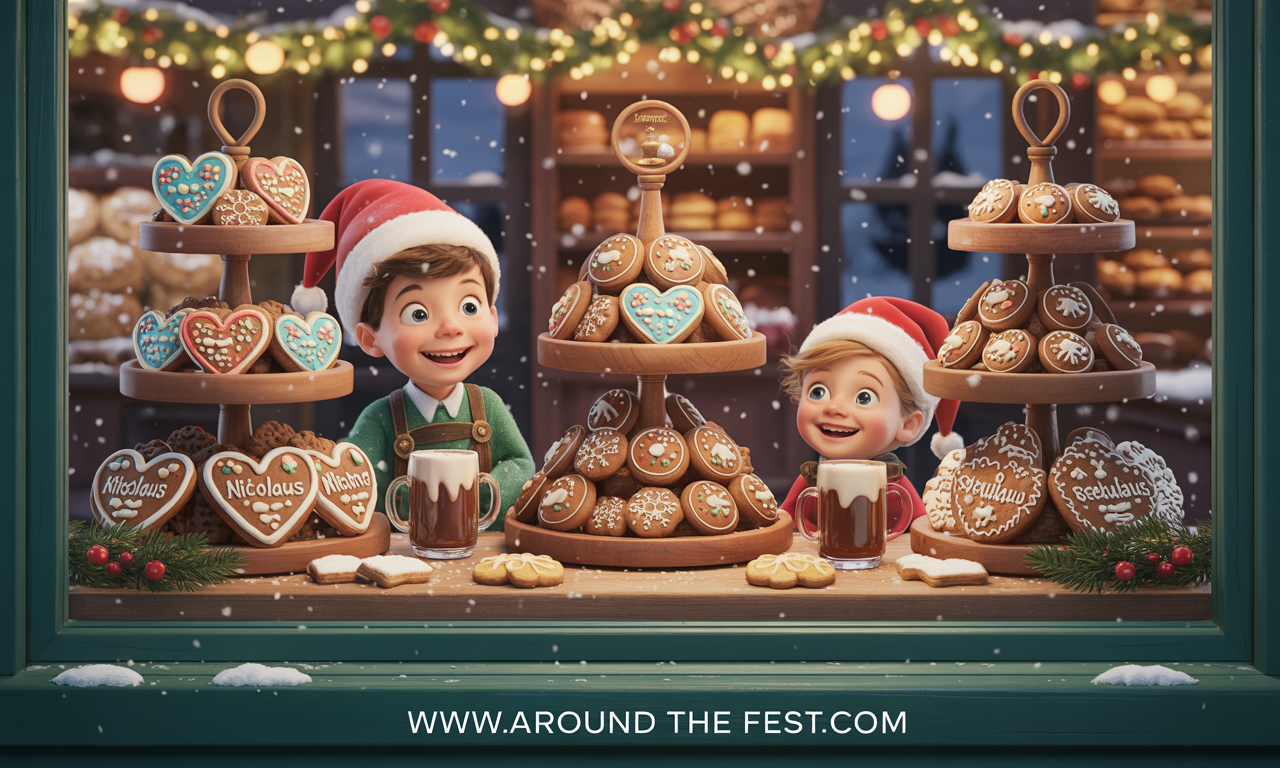
German families cherish Lebkuchen (gingerbread hearts) and Spekulatius (spiced shortcrust biscuits) around St. Nicholas Day. Bakeries fill their windows with intricately decorated cookies shaped like angels, stars, or Nikolaus himself.
- Lebkuchen is often soft, honey-sweetened, and covered in chocolate or sugar glaze.
- Spekulatius carries hints of cinnamon, nutmeg, and cloves, making it one of the most aromatic holiday treats.
“Every December 6, our bakery in Munich sees children excitedly pointing at the gingerbread Nikolaus figures,” says Klaus Meier, a local baker in 2024. “It’s a tradition that has been part of our family for three generations.”
Hot chocolate or spiced mulled wine (Glühwein) for adults completes the indulgence.
🇳🇱 Netherlands – Pepernoten & Chocolate Letters
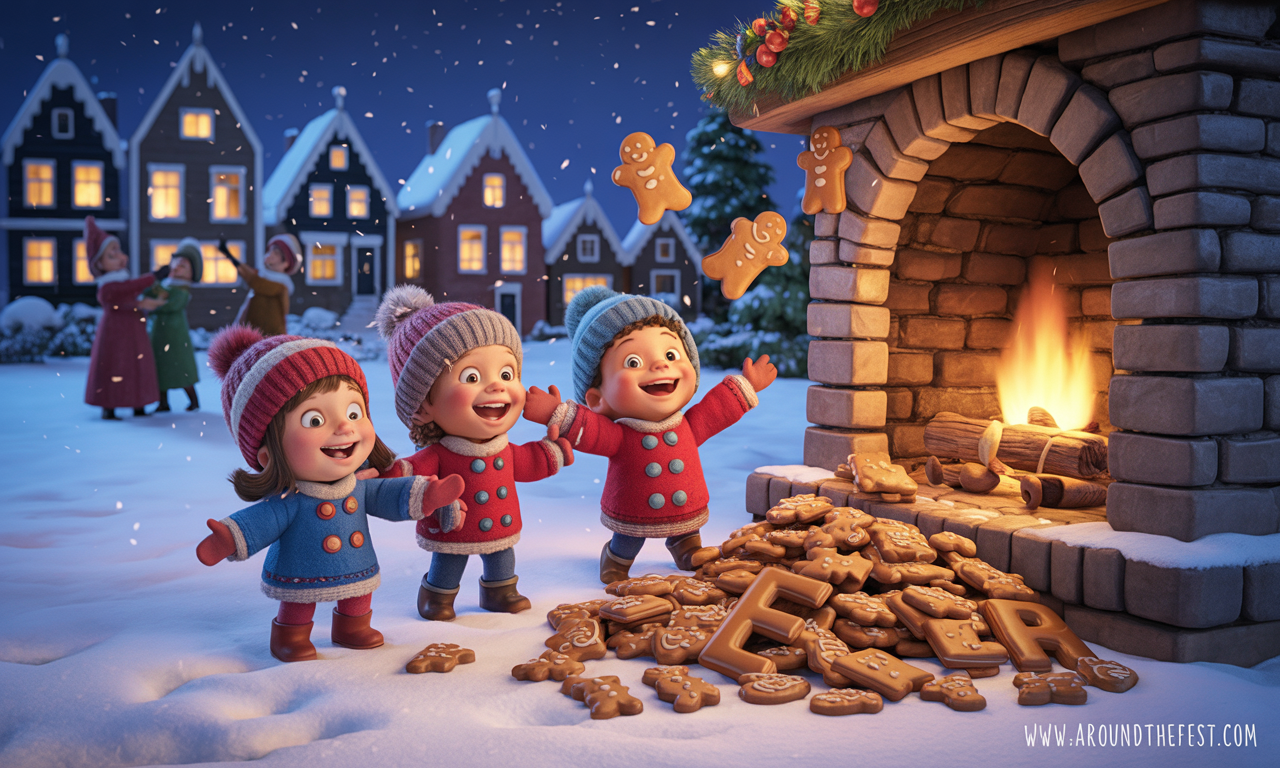
Few countries match the Netherlands’ culinary excitement for Sinterklaas. Children eagerly await:
Pepernoten – Tiny, crunchy spiced cookies scattered around homes or tossed playfully by Sinterklaas’s helpers.
Kruidnoten – Similar but crunchier, often dipped in chocolate.
Chocolate Letters – Perhaps the most beloved tradition, where each child receives a giant chocolate shaped as the first letter of their name.
“The smiles on children’s faces when they find their chocolate letters in their shoes are priceless,” shares Anika de Vries, a Sinterklaas festival organizer in Amsterdam, 2025.
Fun fact: In 2024, a bakery in Haarlem baked the world’s largest St. Nicholas chocolate letter, weighing over 300 kg — a record-breaking treat celebrated on local news.
🇦🇹 Austria – Nuts, Fruits & Krampus-Themed Sweets
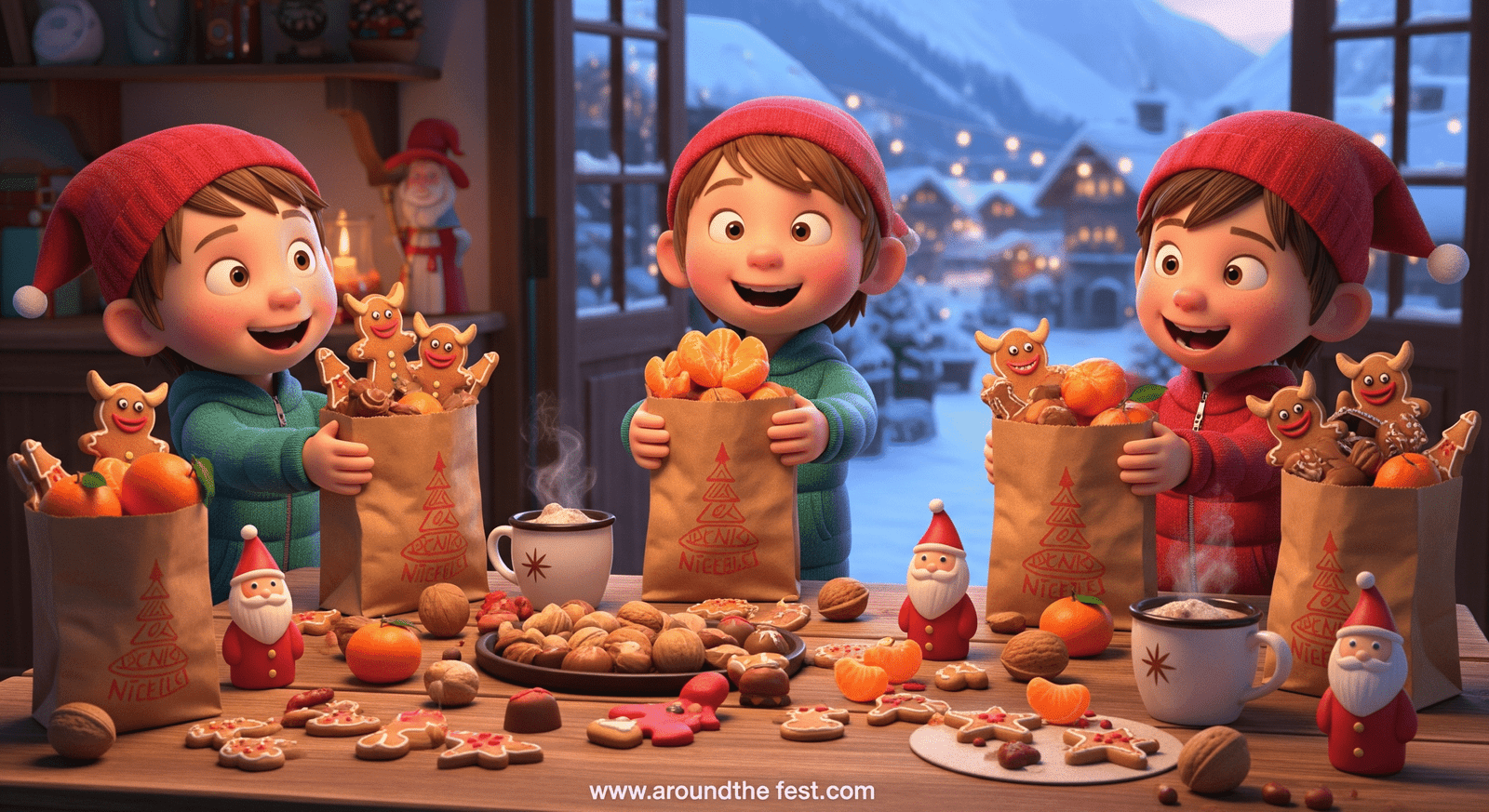
While Austria emphasizes fruits and nuts, bakeries also sell gingerbread figures and Krampus-shaped treats for a playful scare. Parents often prepare little paper bags filled with chocolates and mandarins, tied with festive ribbons.
In alpine regions, you’ll also find Marzipan St. Nicholas figurines, a true artisanal specialty. Families pair treats with hot cocoa and simple crafts, such as decorating St. Nicholas cards or small ornaments, creating a memorable holiday experience.
🇨🇿 Czech Republic – Honey Cookies & Candied Fruits
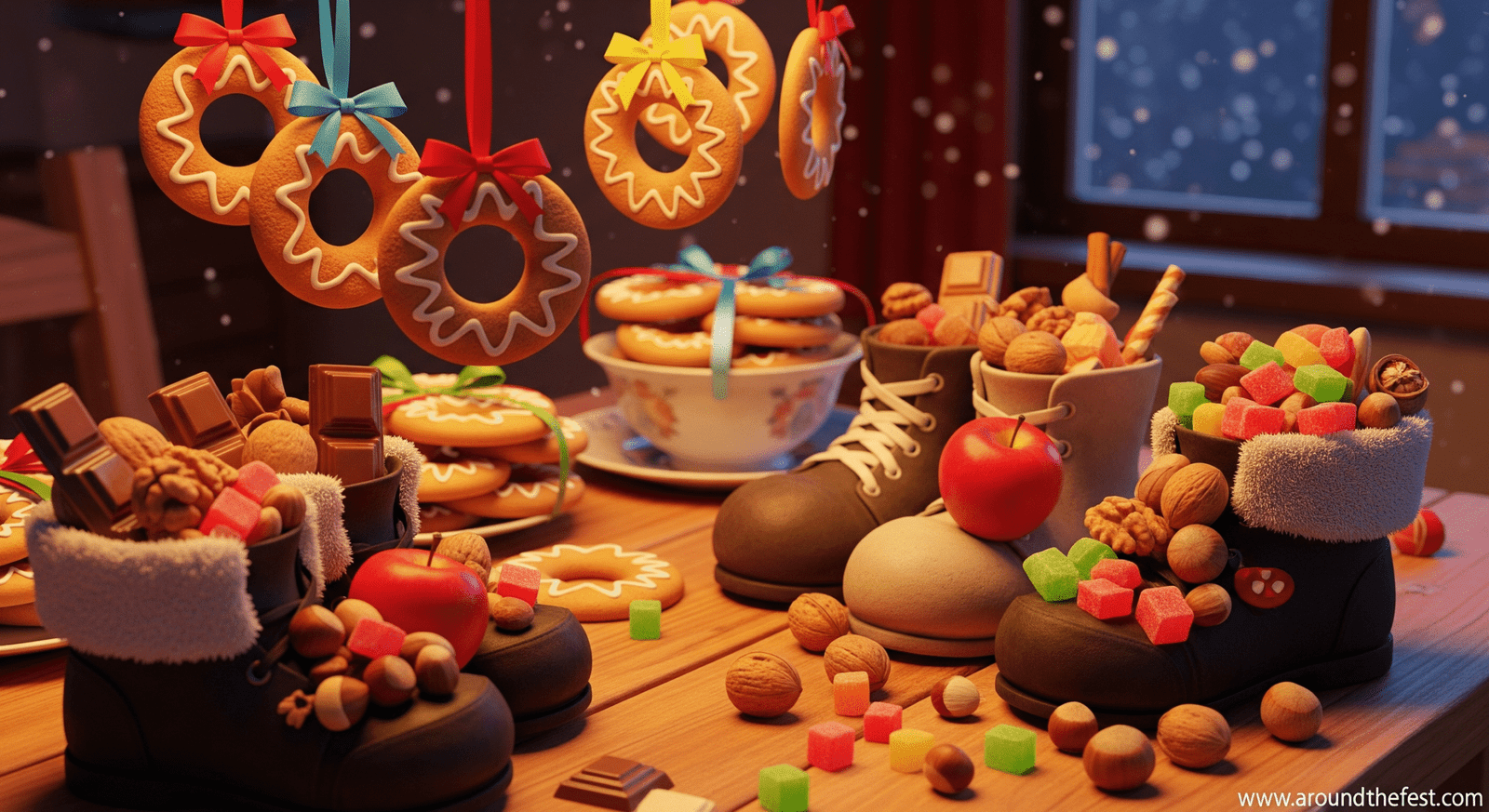
In the Czech Republic, children’s shoes are filled with chocolates, apples, nuts, and candied fruits. Families also bake perníčky (spiced honey cookies) decorated with white icing. These cookies often double as ornaments, hung on Christmas trees later in December.
🇭🇺 Hungary – Szaloncukor & Mézeskalács
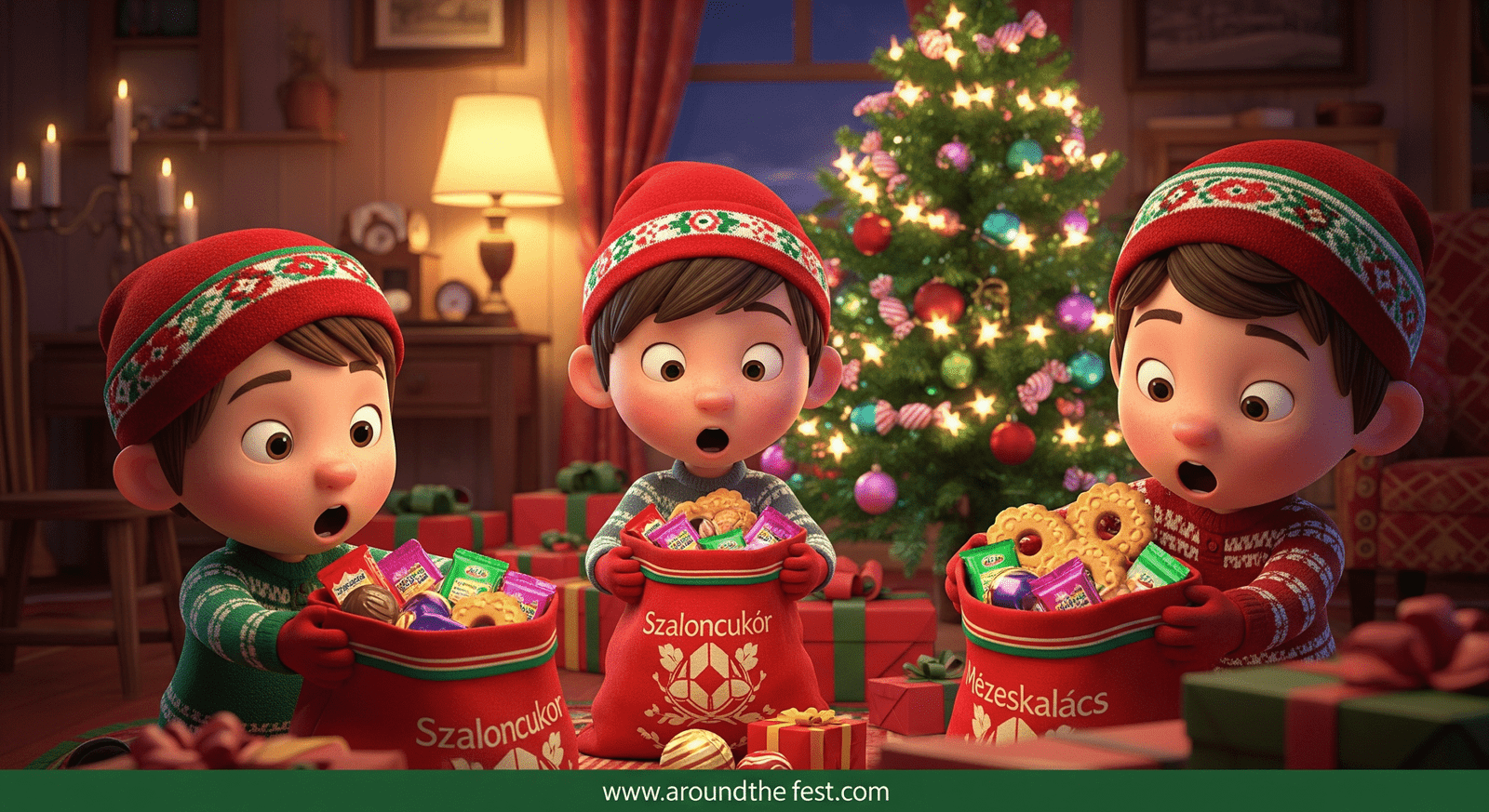
Hungary is famous for szaloncukor, a type of fondant-filled chocolate wrapped in colorful foil, often tied to Christmas trees. On St. Nicholas Day, children may receive a small bag filled with these candies alongside mézeskalács (honey cookies).
Local baker Zoltán Farkas notes in 2025: “Szaloncukor is not just candy; it’s a way families share stories and create memories that last a lifetime.”
🇵🇱 Poland – Pierniki & Seasonal Chocolates
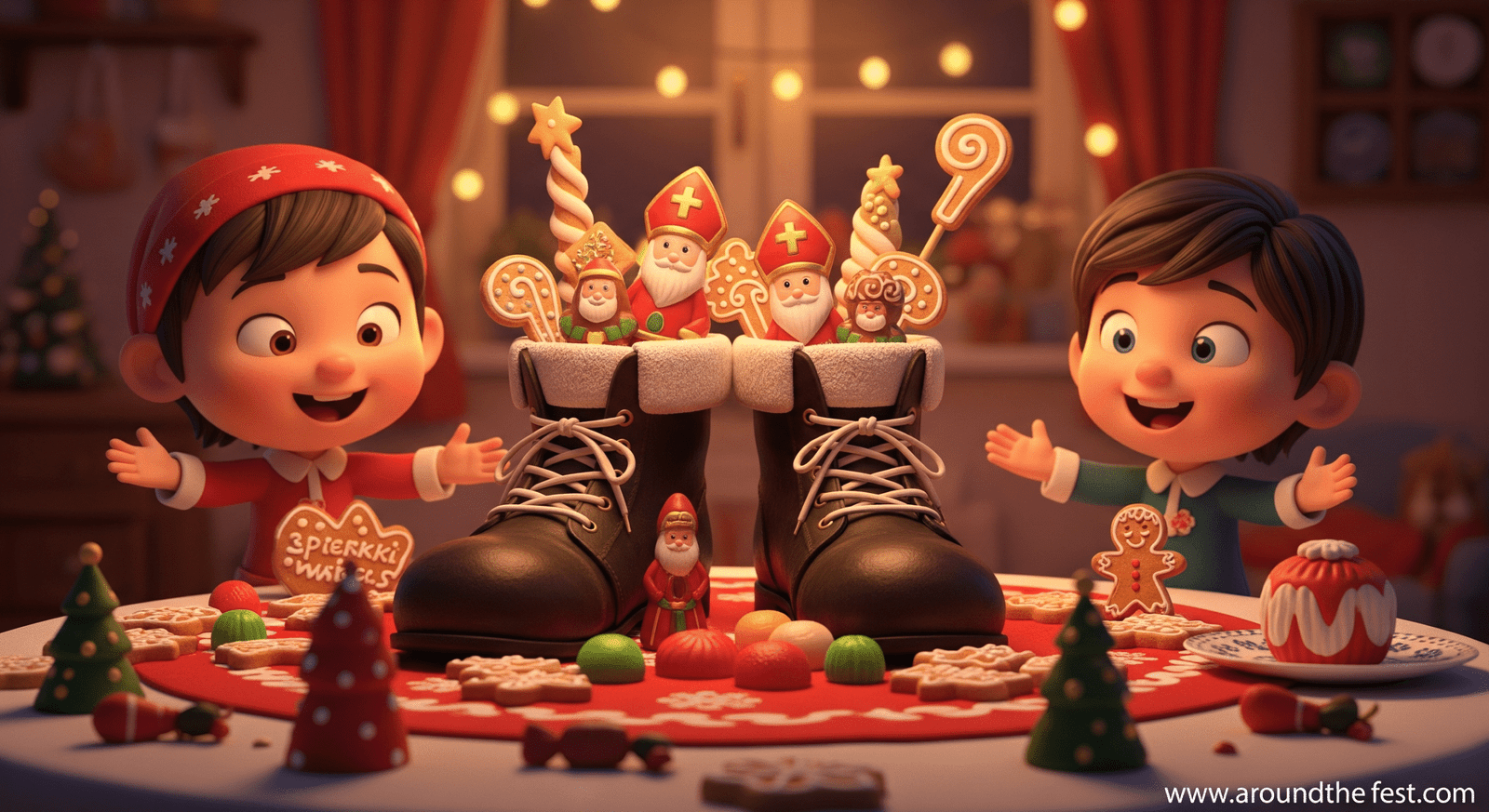
Polish children often find their shoes filled with pierniki (gingerbread cookies), along with chocolate figurines shaped like St. Nicholas. In some regions, special marzipan candies are gifted, continuing centuries-old culinary traditions.
🇧🇪 Belgium – Speculoos & Marzipan Figurines
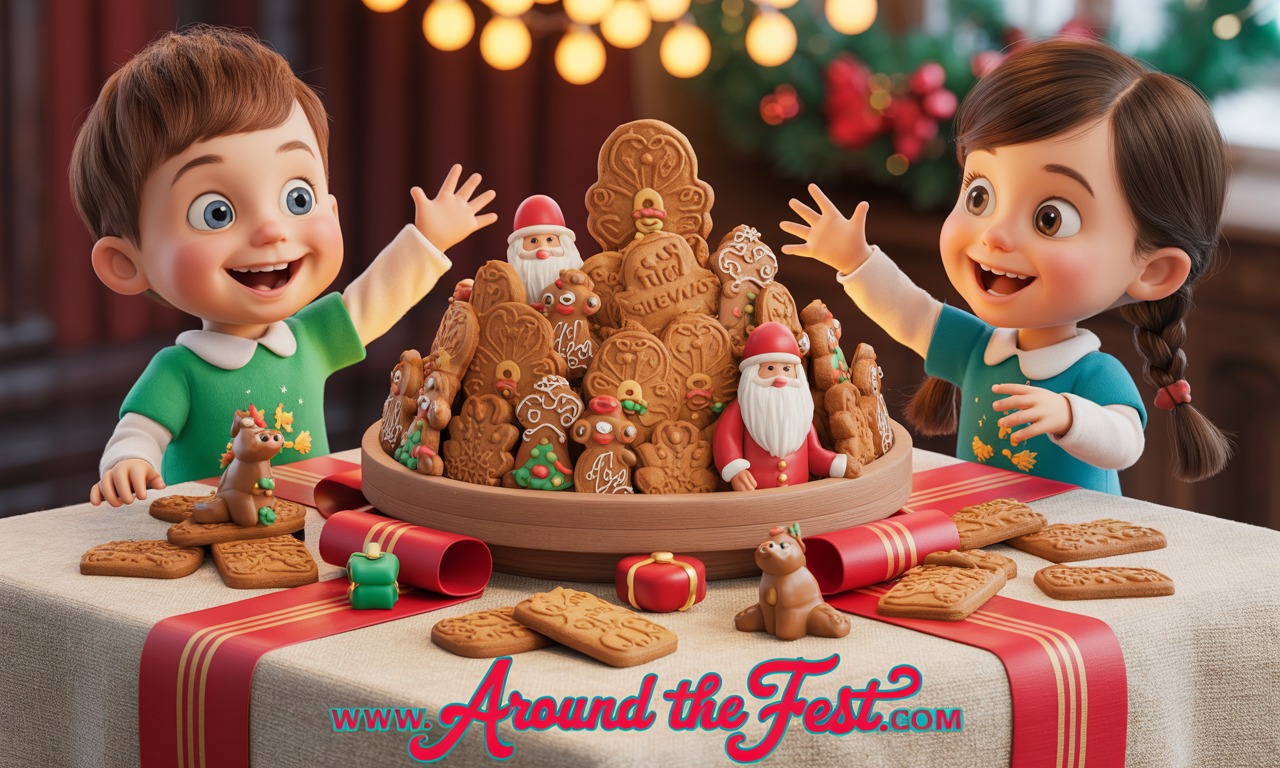
Belgium’s St. Nicholas Day wouldn’t be complete without speculoos cookies — spiced biscuits often baked in molds depicting the saint himself. Alongside these, Belgian bakeries sell marzipan animals and St. Nicholas figures, beautifully crafted and often gifted as keepsakes.
🇨🇭 Switzerland – Grittibänz & Samichlaus Treats
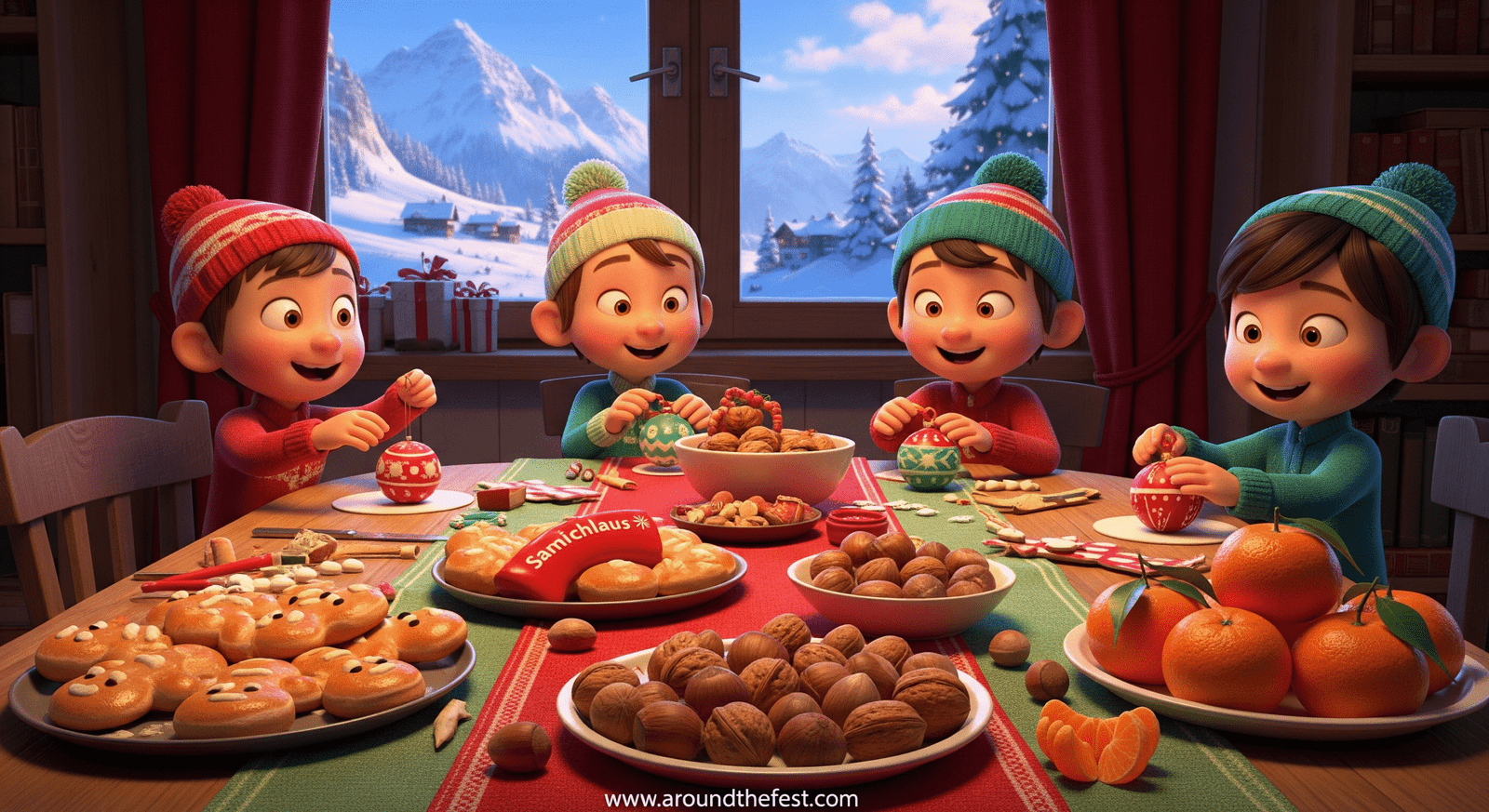
In Switzerland, Grittibänz — a sweet bread shaped like a little man — is baked especially for St. Nicholas Day. Children also enjoy Samichlaus chocolates, nuts, and mandarin oranges. Families sometimes make hot chestnuts or pair treats with craft activities, like decorating homemade ornaments.
Drinks & Family Meals
While sweets dominate, some countries pair the day with warm family meals:
Germany & Austria – Spiced mulled wine for adults.
Netherlands – Hot chocolate with whipped cream.
Poland – Herbal teas served with honey cookies.
Meals emphasize coziness, warmth, and togetherness, often paired with crafts and small storytelling activities.
Why Food Matters on St. Nicholas 2025 Europe
The foods of St. Nicholas Day 2025 Europe are more than just snacks — they’re symbols of generosity and tradition. Filling shoes with simple treats teaches children the joy of receiving small but meaningful gifts, while parents pass down recipes and stories that connect generations.
Whether it’s biting into a Dutch chocolate letter, sipping mulled wine in Austria, or cracking walnuts in Poland, each tradition reflects the saint’s enduring message: kindness and sharing matter more than extravagance.
Celebrating St. Nicholas Day 2025 at Home
While experiencing St. Nicholas Day in Europe is magical, families worldwide can bring the festivities home, creating memorable experiences for children and adults alike. From DIY gifts to creative crafts and educational activities, there are countless ways to celebrate St. Nicholas Day 2025 no matter where you live.
Fun DIY Gifts for Children
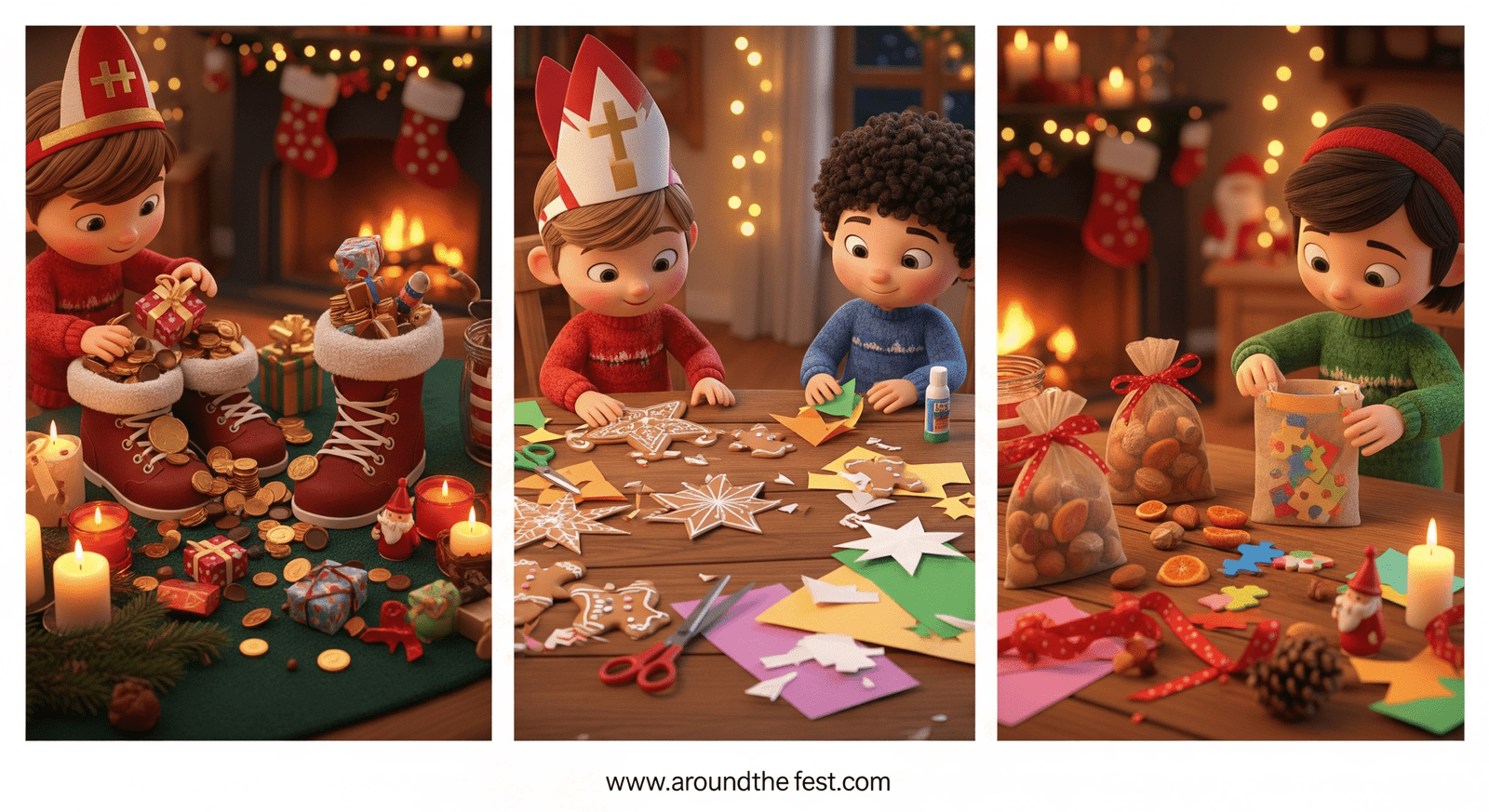
Creating homemade gifts captures the spirit of St. Nicholas generosity and allows children to feel involved in the celebration. Some popular ideas for 2025 include:
- Chocolate coins and small toys: Wrap them in festive paper and place them in children’s shoes or stockings.
- Handmade ornaments: Craft paper stars, gingerbread-shaped decorations, or mini stockings to hang around the house.
- Mini gift bags: Fill with nuts, dried fruits, or small puzzles for a personalized touch.
Local parent Sophie Martin shared in 2024: “We make chocolate coins and little crafts together. The kids love checking their shoes the next morning—it’s a magical moment every year.”
Pairing treats with a warm drink like hot chocolate or spiced cider and adding a small craft activity creates a complete family experience that children remember for years.
Creative Family Activities
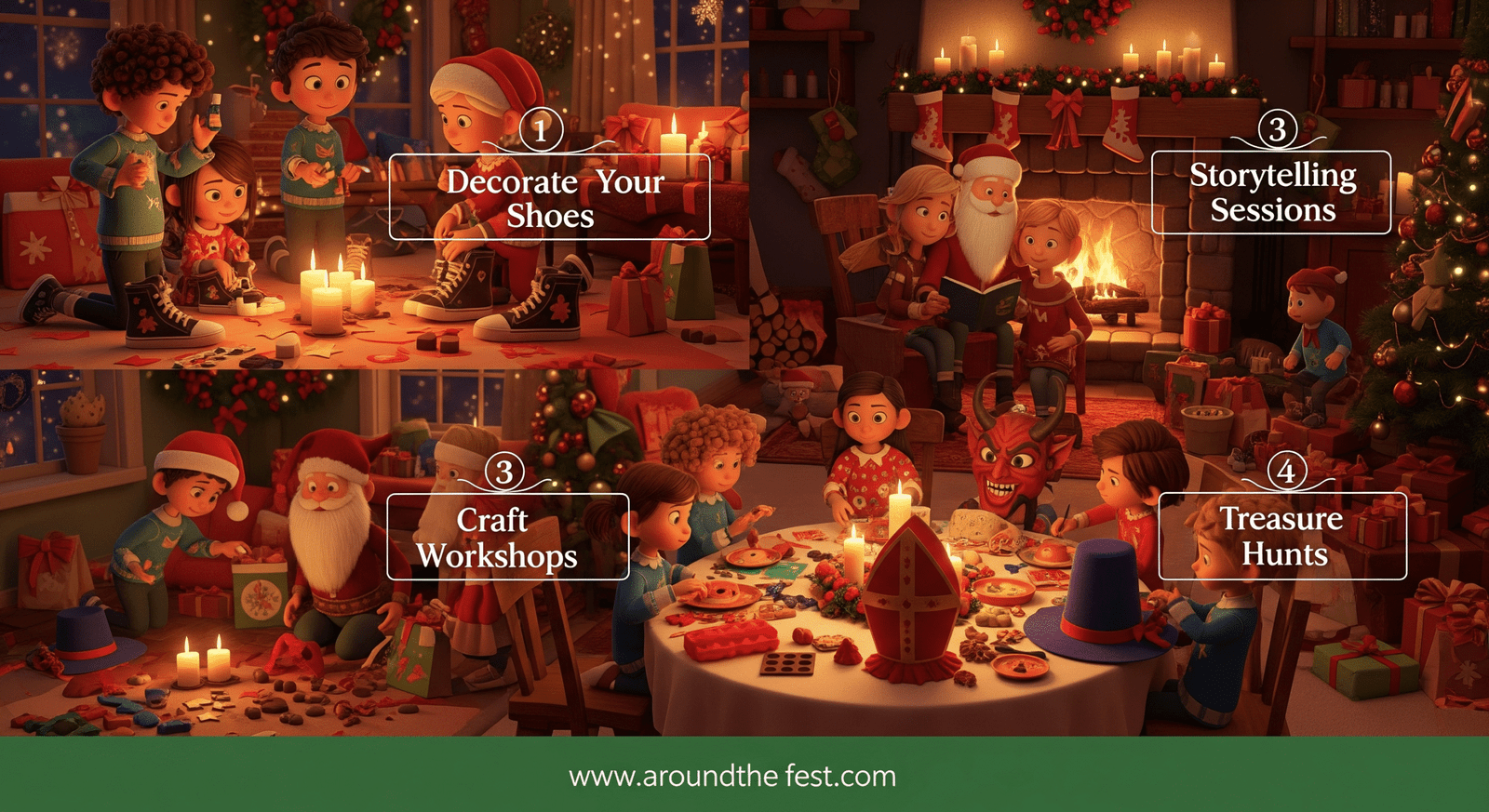
Celebrating St. Nicholas Day at home doesn’t stop at gifts. Here are fun, interactive activities to bring the festival to life:
- Decorating shoes: Children can paint or decorate their shoes before leaving them out for St. Nicholas.
- Storytelling sessions: Read St. Nicholas legends or modern adaptations that teach values like kindness and generosity.
- Craft workshops: Make Krampus masks, Sinterklaas hats, or small chocolate molds together.
- Treasure hunts: Hide small surprises around the house for children to find on December 6.
These activities blend learning, creativity, and holiday fun, making the day both educational and festive.
Educational Ideas for Schools and Communities
Educators and community organizers can adapt St. Nicholas Day traditions to classrooms and local events:
- Classroom shoe-decorating contests or gift-exchange activities.
- History and culture lessons: Teach students about St. Nicholas, Nikolaustag, and Sinterklaas.
- Baking workshops: Let kids make simple treats like pepernoten or chocolate coins.
- Interactive presentations: Show how St. Nicholas traditions differ across European countries using photos or videos.
In 2025, a primary school in Amsterdam hosted a “Sinterklaas around Europe” week, combining crafts, storytelling, and taste-testing treats from different regions. The event increased student engagement and curiosity about cultural traditions.
Why Celebrate at Home?
Celebrating St. Nicholas Day at home allows families to:
- Strengthen family bonds through shared activities.
- Teach children about generosity, tradition, and cultural heritage.
- Customize celebrations to their own home environment and schedules.
By combining DIY gifts, crafts, and learning opportunities, families can create a memorable St. Nicholas Day 2025 experience without leaving their homes.
St. Nicholas Day 2025 vs. Santa Claus: Understanding the Differences
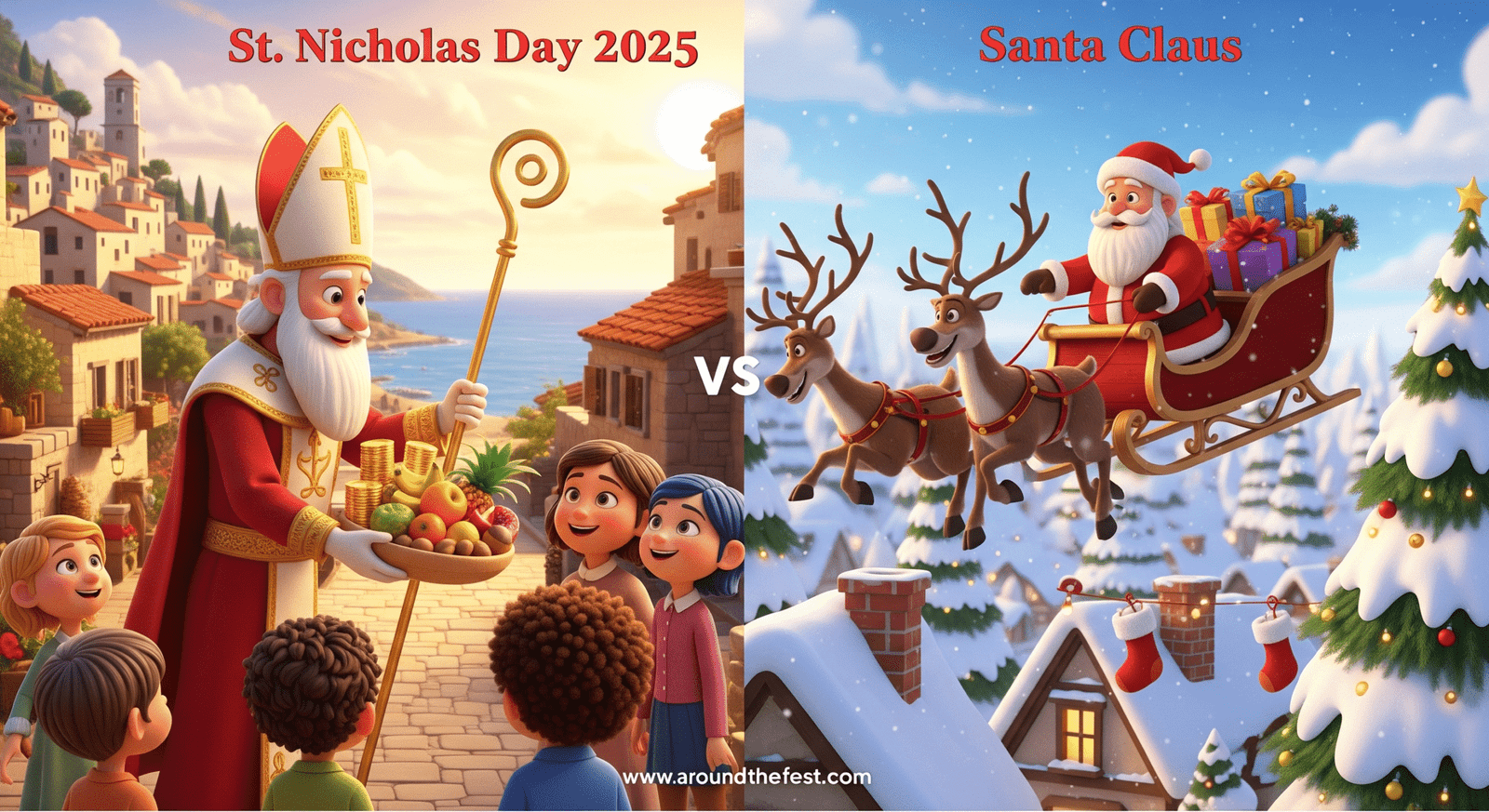
Many people often assume St. Nicholas and Santa Claus are one and the same, but the reality is far richer and more nuanced. While both figures share the spirit of generosity, they have distinct histories, cultural roles, and celebration styles that reveal fascinating insights about European and American holiday traditions.
Historical Origins of St. Nicholas
- Born in the 4th century in Myra, modern-day Turkey.
- Served as Bishop of Myra, famous for kindness, protecting children, and performing miracles.
- After his death on December 6, 343 AD, Europeans celebrated his feast day with small gifts, moral lessons, and acts of charity.
The Rise of Santa Claus
- Emerged centuries later as a cultural reinterpretation of St. Nicholas.
Influenced by:
- Dutch settlers bringing Sinterklaas traditions to New Amsterdam (modern New York) in the 17th century.
- Clement Clarke Moore’s 1823 poem, “A Visit from St. Nicholas”, shaping the image of a sleigh-riding, chimney-visiting gift-giver.
- 20th-century commercial imagery (e.g., Coca-Cola campaigns) solidifying Santa’s red suit, jolly look, and North Pole home.
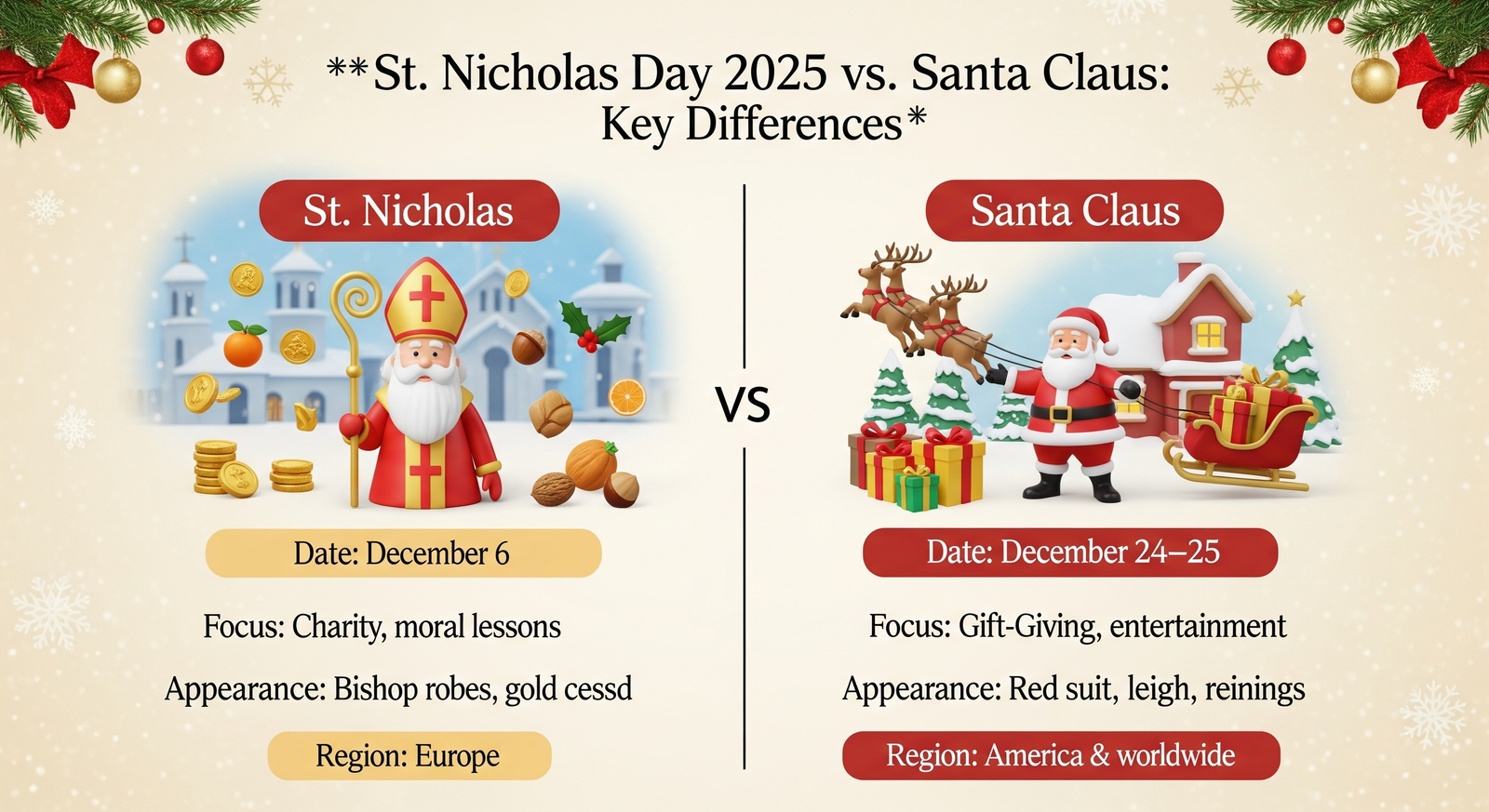
While St. Nicholas emphasizes generosity with moral guidance, Santa Claus focuses on festive gift-giving and entertainment, reflecting modern holiday commercialization.
Cultural Differences Across Europe and America
In Europe:
Timing: Celebrated on December 6 (St. Nicholas Day 2025).
Gifts: Children receive small treats, chocolate coins, or nuts in shoes or stockings.
Accompaniments: Figures like Krampus in Austria or Zwarte Piet in the Netherlands appear alongside St. Nicholas, adding storytelling and moral lessons.
Events: Includes parades, church services, and community gatherings, maintaining cultural authenticity and historical roots.
In the United States:
Timing: Focused on Christmas Eve (December 24).
Gifts: Santa delivers larger, commercialized gifts, often after children go to bed.
Accompaniments: Elves, reindeer, and North Pole workshops dominate the narrative, creating a whimsical fantasy world.
Events: Heavily commercialized with mall visits, parades, and media campaigns, prioritizing entertainment over historical tradition.
Insight from 2025: Dutch cultural educator Anna Berger notes, “Teaching children about St. Nicholas alongside Santa Claus creates a bridge between historical generosity and modern festive fun. Kids appreciate both stories more when they understand the differences.”
Why Knowing the Differences Matters
Preserving European Heritage: Recognizing St. Nicholas’ origins helps families honor centuries-old traditions that predate modern Christmas.
Enriching Family Celebrations: Incorporating St. Nicholas Day activities—like leaving shoes out or telling moral stories—adds meaning and variety to holiday celebrations.
Educational Value: Children learn about geography, history, and cultural diversity while enjoying festive treats and crafts.
Global Perspective: Understanding both figures highlights how traditions evolve across countries, reflecting cultural values and societal changes.
How to Celebrate Both
Combine traditions: Celebrate St. Nicholas Day on December 6 with small gifts and educational stories, then enjoy Santa Claus on Christmas Eve.
Family-friendly activities: Bake pepernoten, chocolate coins, or cookies, and decorate shoes for St. Nicholas, while setting up stockings for Santa later.
Storytelling sessions: Share the real-life history of Nicholas of Myra and how he inspired Santa Claus to teach kids about kindness, giving, and cultural heritage.
Key Takeaways
- St. Nicholas Day 2025 focuses on December 6, moral lessons, local customs, and small-scale gift-giving.
- Santa Claus emphasizes Christmas Eve, commercial gifts, and global pop culture influence.
- Celebrating both provides a rich, meaningful holiday experience that balances history, culture, and festive fun.
Modern-Day St. Nicholas 2025 Europe Events & Festivals
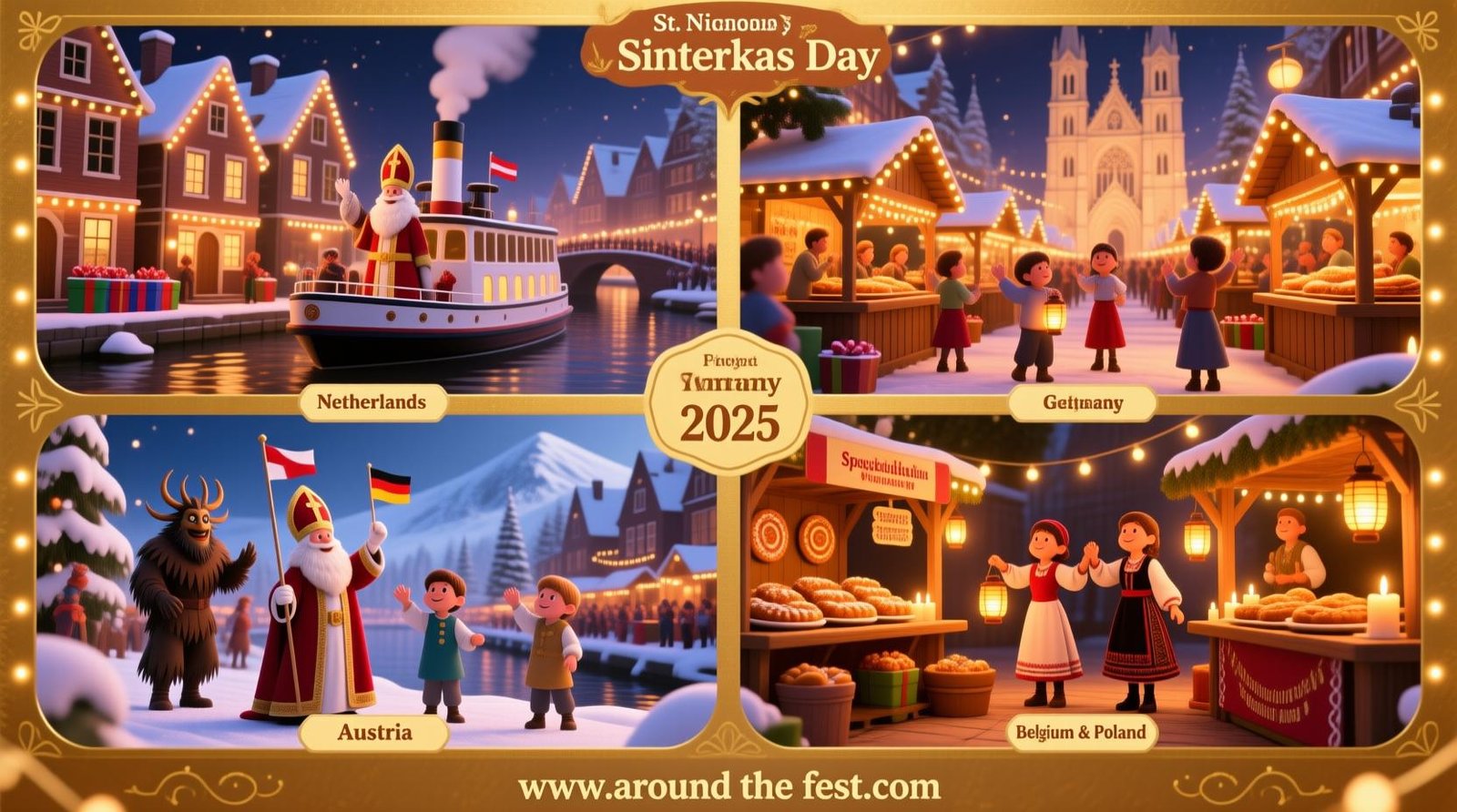
While St. Nicholas Day has centuries-old roots, modern Europe keeps the celebration vibrant with parades, community gatherings, church services, and festive events. In 2025, travelers and locals alike can enjoy authentic experiences across the continent. This section highlights notable events, travel opportunities, and ways to participate or share your celebration.
Parades, Church Services, and Community Celebrations
Across Europe, St. Nicholas Day 2025 remains a community-centered festival. Here’s what you can expect in 2025:
Netherlands – Sinterklaas Arrival:
In mid-November, Sinterklaas traditionally arrives by steamboat in Dutch towns such as Amsterdam and Rotterdam, marking the official start of the festive season. Children line the canals waving, singing, and placing shoes by the fireplace in anticipation of small gifts and pepernoten treats.
Germany – Nikolaustag Parades:
Cities like Cologne and Munich host processions featuring St. Nicholas, often accompanied by musicians and costumed volunteers. Children receive chocolate coins, nuts, and mandarins, keeping the tradition lively in urban and village settings.
Austria – Krampus Parades:
In regions like Salzburg and Vienna, the Krampuslauf features elaborately costumed figures alongside St. Nicholas, blending a sense of playfulness with moral storytelling. It’s a thrilling experience for families and tourists alike.
Belgium & Poland:
Local church services, town squares, and community centers organize festive celebrations, incorporating traditional sweets, storytelling, and small gift exchanges.
Fun Fact 2025: Some Belgian towns compete to bake the world’s largest St. Nicholas cookie, drawing thousands of visitors and creating a record-breaking festive spectacle.
Tourism and Travel Opportunities
Travelers in 2025 can plan trips around St. Nicholas Day festivals to witness authentic European traditions:
Netherlands: Witness the steamboat arrival, explore local markets, and enjoy workshops on Sinterklaas crafts.
Germany: Attend Nikolaustag parades, visit Christmas markets, and explore historical sites associated with St. Nicholas.
Austria: Experience Krampus parades and family-friendly St. Nicholas events.
Belgium & Poland: Participate in regional fairs, sample traditional pastries, and learn about local folklore.
Pro tip: Book travel early, as December 6 festivals attract tourists and family groups eager to experience Europe’s festive charm.
How to Participate or Share Your Celebration
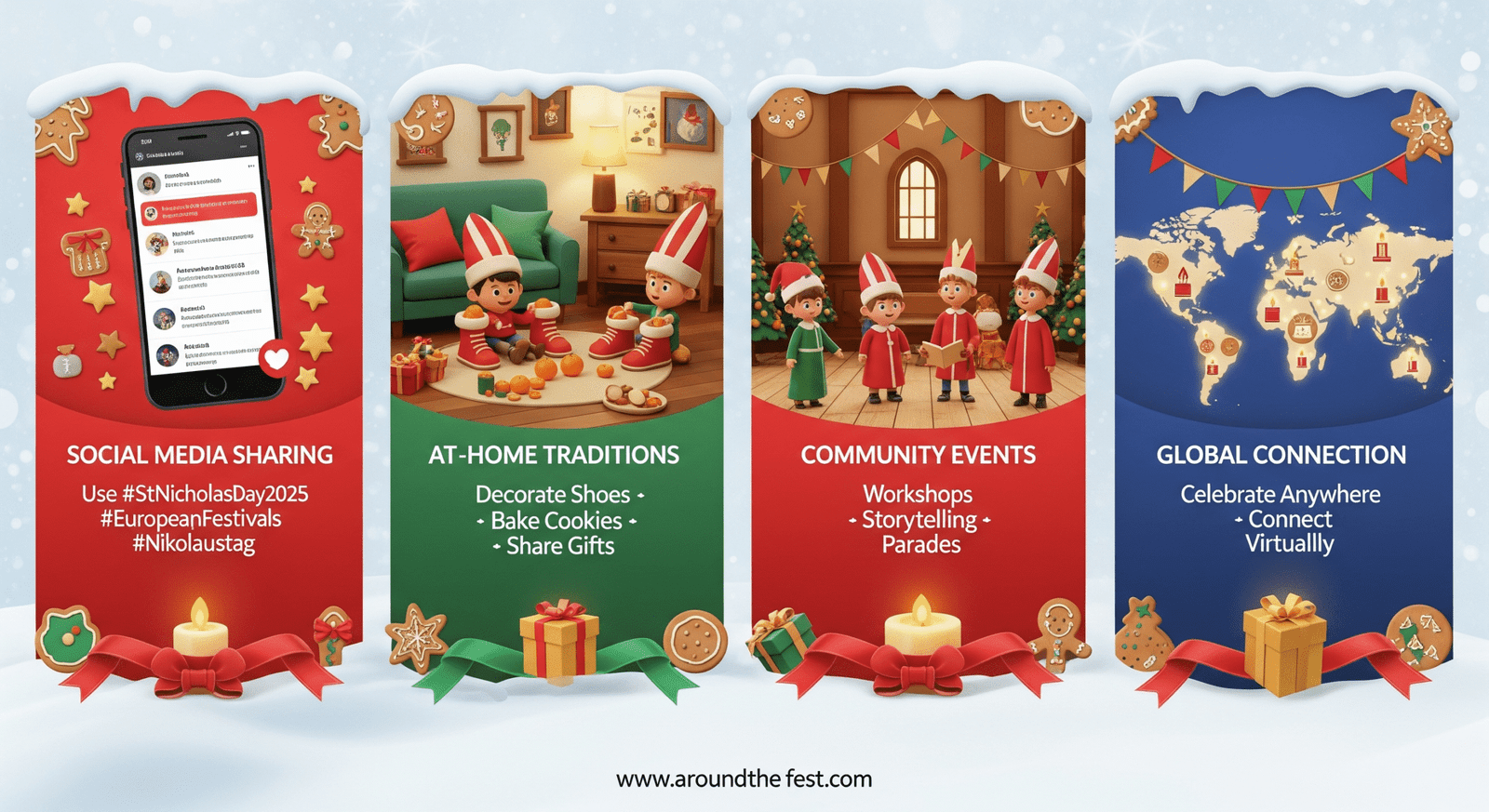
Social media: Use hashtags like #StNicholasDay2025, #EuropeanFestivals, #Nikolaustag to share photos and videos of your celebrations.
At-home participation: If you cannot travel, recreate European traditions at home with shoe-decorating, gift-giving, and themed treats.
Community events: Schools, churches, and cultural centers often host interactive workshops, parades, and storytelling sessions that welcome children and families.
Key Takeaways
- St. Nicholas Day 2025 features parades, church services, and community celebrations across Europe.
- Cities like Amsterdam, Cologne, Vienna, and Krakow offer immersive experiences.
- Social media and local events allow families worldwide to join the festivities virtually or at home.
- Combining historical traditions with modern experiences ensures the festival stays relevant and shareable.
Fun Facts & Quotes About St. Nicholas 2025 Europe
St. Nicholas Day may be rooted in history, but it’s also packed with quirky traditions, fascinating facts, and timeless quotes that keep the spirit alive in 2025. These tidbits are perfect for sharing on social media, sparking conversations, or simply inspiring families to embrace the festival.
Fun Facts About St. Nicholas Day 2025
Oldest St. Nicholas Tradition: The town of Bari, Italy, still houses relics of St. Nicholas, making it a major pilgrimage site since the 11th century. Pilgrims in 2025 will once again gather for special December 6th services.
World’s Largest St. Nicholas Cookie: In 2024, bakers in Leuven, Belgium created a cookie weighing over 250 kg, and they’re planning to top that record in 2025 with an even bigger bake-off.
Krampus Goes Viral: In Austria and Germany, Krampus parades are increasingly livestreamed on platforms like TikTok and Instagram. In 2024, the hashtag #Krampuslauf had over 20 million views, showing how old folklore is finding a new global audience.
Most Popular Treats in 2025: According to recent European bakery surveys, pepernoten in the Netherlands and Lebkuchen in Germany top the list of St. Nicholas sweets purchased by families.
Eco-Friendly Twist: In 2025, several European cities are promoting sustainable St. Nicholas celebrations, with reusable shoe decorations, fair-trade chocolates, and community donation drives.
Inspiring Quotes for St. Nicholas Day
These quotes capture the heart of St. Nicholas traditions and are perfect for family reflections or social media posts:
“It is more blessed to give than to receive.” – St. Nicholas
“Generosity is the true spirit of every festival.” – European proverb often linked to St. Nicholas customs
“The kindness you give away today will return as joy tomorrow.” – Traditional German saying used during Nikolaustag
“Every child who finds a gift in their shoe carries forward the legacy of St. Nicholas.” – Modern reflection from a Dutch family in 2024
“Festivals like St. Nicholas Day remind us that small acts of love create the biggest celebrations.” – Cultural historian, 2025 interview
Why Fun Facts & Quotes Matter
- Sharing anecdotes and sayings isn’t just about trivia—it’s a way to:
- Keep traditions alive across generations.
- Educate children on the cultural and historical value of December 6.
- Engage communities online, making local celebrations part of a global conversation.
- Add joy and reflection to the holiday season.
FAQs About St. Nicholas Day 2025 Europe
Q1. When is St. Nicholas Day 2025?
Ans. St. Nicholas Day falls on Saturday, December 6, 2025. Celebrations typically begin the evening before, on December 5 (St. Nicholas Eve), when children leave out their shoes or boots to be filled with treats.
Q2. Where is St. Nicholas Day celebrated in Europe?
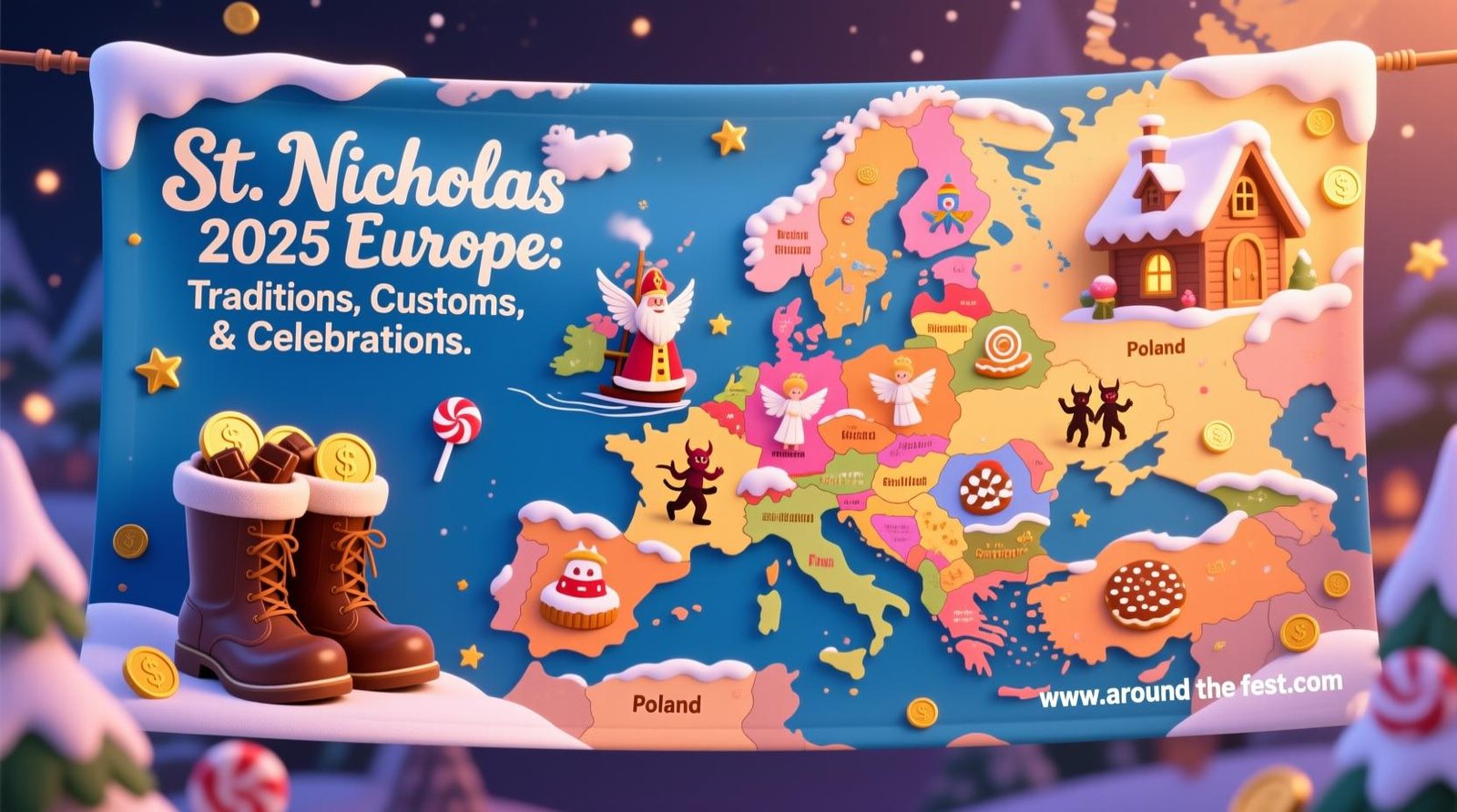
Ans. St. Nicholas Day is widely celebrated in Germany, Austria, the Netherlands, Belgium, Switzerland, Hungary, Croatia, the Czech Republic, and Poland. Each country has unique customs, from parades and markets to placing gifts in shoes or stockings.
Q3. How do families celebrate St. Nicholas Day 2025?
Ans. Families celebrate by:
- Children leaving shoes/boots by the door or fireplace on December 5.
- Finding them filled with chocolates, gingerbread, nuts, mandarins, or small toys the next morning.
- Attending parades, church services, or community events.
- Baking or buying traditional St. Nicholas cookies and breads.
In 2025, many families also combine traditional customs with modern activities like crafts, story readings, and holiday markets.
Q4. What foods are traditional on St. Nicholas Day?
Ans. Popular St. Nicholas Day treats include:
- Speculaas / Speculoos cookies (spiced shortcrust biscuits)
- Gingerbread (Lebkuchen) in Germany
- Mandarins, nuts, and chocolate coins
- Stutenkerl / Weckmann – sweet bread figures shaped like bishops
- Mulled wine or hot chocolate for adults at markets
Fun fact: In 2024, a German bakery baked the world’s largest St. Nicholas cookie, weighing over 150 pounds!
Q5. Is St. Nicholas the same as Santa Claus?
Ans. Not exactly. St. Nicholas was a 4th-century bishop from Myra, known for his generosity and kindness. His legends inspired the tradition of gift-giving on December 6.
Santa Claus (or Father Christmas) evolved later, blending St. Nicholas’s story with Dutch Sinterklaas traditions and 19th-century American culture. While St. Nicholas Day is rooted in European religious and folk traditions, Santa Claus is tied to Christmas Eve (December 24–25).
Q6. Are there special events for St. Nicholas Day 2025?
Ans. Yes! In 2025, highlights include:
- Sinterklaas arrival by boat in Amsterdam (Netherlands) – mid-November parade leading into December 5–6 festivities.
- Munich & Vienna St. Nicholas markets (Germany, Austria) – famous for holiday stalls and seasonal treats.
- Parades in Belgium and Switzerland with St. Nicholas handing out sweets.
- Cultural plays, concerts, and charity drives across Europe celebrating his spirit of giving.
Conclusion: Keep the Spirit of St. Nicholas Alive in 2025

St. Nicholas Day 2025 is more than just a festival of sweets and gifts—it’s a celebration of generosity, family bonds, and European cultural heritage. From Germany’s Nikolaustag boots to the Dutch Sinterklaas parades, Austria’s playful Krampus, and unique traditions in Belgium, Poland, and beyond, each country adds its own magic to December 6.
This beloved pre-Christmas celebration reminds us of timeless values: giving over receiving, kindness over materialism, and sharing joy with family and community. Whether you’re baking gingerbread, decorating shoes, or joining a festive parade, St. Nicholas Day is an opportunity to create lasting memories and introduce children to rich European traditions.
Share Your Celebration: Capture your family activities, crafts, or treats and post them on social media with hashtags like #StNicholasDay2025 or #EuropeanFestivals. Inspire others and keep the spirit of St. Nicholas alive across the globe.
Final Thought: Celebrating St. Nicholas Day 2025 is about connection—connecting with loved ones, connecting with history, and connecting with the joy of giving. Embrace these traditions, explore new customs, and make December 6 a day your family will remember year after year.
Call-to-Action: Start planning your St. Nicholas Day 2025 festivities today and share your experiences! Keep the spirit of St. Nicholas alive for generations to come.